
PRP and PRF Cost in Pasadena, CA: Which Regenerative Treatment Is Right for You?
Patients comparing PRP and PRF in Pasadena usually want two things: transparent pricing and an honest recommendation for their skin or hair goals. Both treatments use concentrated components from your own blood to support tissue repair and collagen signaling, but their preparation, handling, and ideal applications differ. At Akari Medspa, patients from Pasadena, San Marino, South Pasadena, Arcadia, San Gabriel, and Glendale receive individualized guidance rather than a one-size-fits-all regenerative treatment plan.
Quick Answer: PRP in Pasadena typically costs about $500–$1,200 per session, while PRF commonly costs about $650–$1,500 per session because it is prepared without anticoagulant and used promptly after processing. PRP is often chosen for scalp and microneedling protocols; PRF is frequently selected for delicate facial areas. The right option depends on anatomy, goals, treatment area, and recommended series.
What Are PRP and PRF Treatments, and How Do They Work?
Both treatments start with your own blood
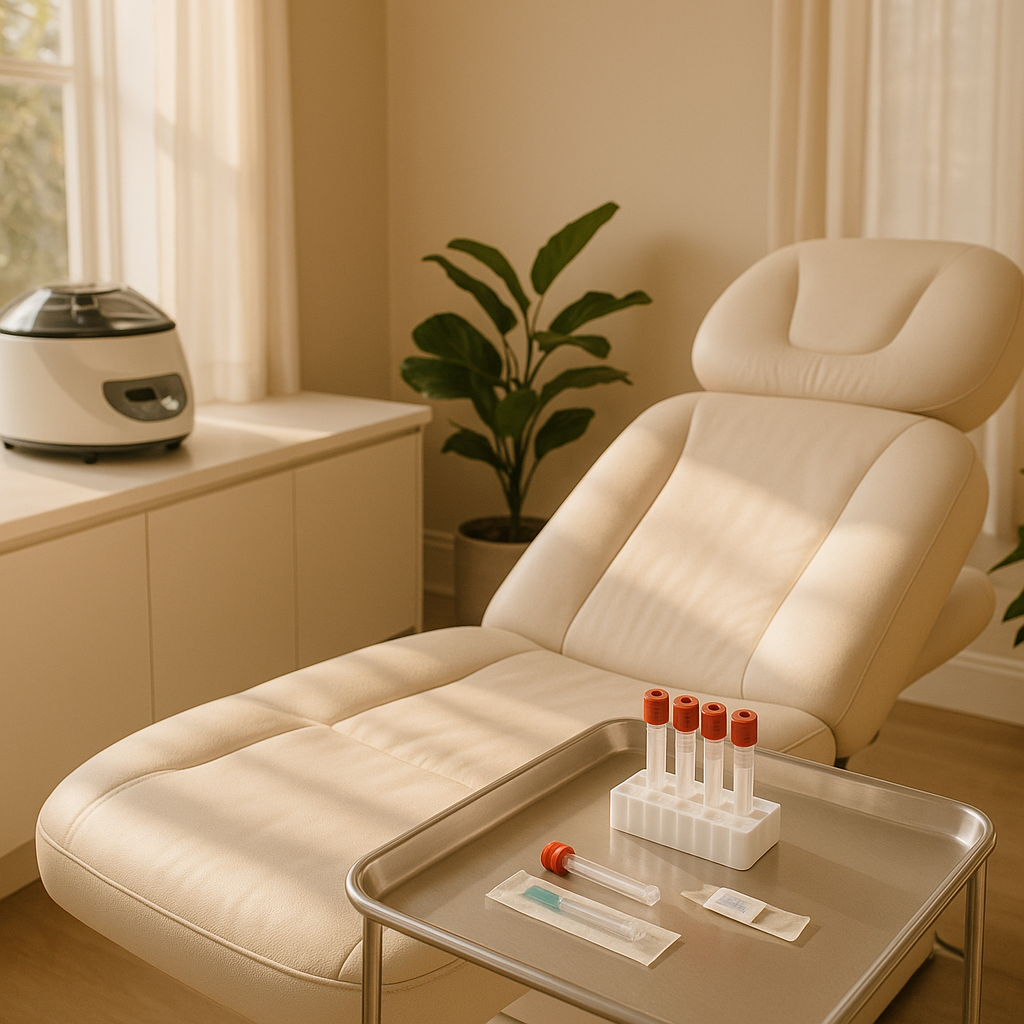
Platelet-rich plasma (PRP) and platelet-rich fibrin (PRF) are autologous treatments, meaning the material comes from the patient’s own blood. A trained provider draws a small blood sample and centrifuges it to separate blood components. The concentrated fraction contains platelets and signaling proteins that participate in normal wound healing.
Platelets release growth factors involved in cellular communication, angiogenesis, and tissue repair. In aesthetic medicine, providers may inject PRP or PRF into selected facial or scalp areas, or pair the concentrate with microneedling. The goal is not to create immediate filler-like volume. Instead, regenerative treatments are intended to support gradual improvements in skin quality, hair-supportive scalp conditions, and collagen remodeling over time.
The practical difference between PRP and PRF
PRP is typically processed with an anticoagulant, leaving a liquid plasma product that can be injected or applied during microneedling. It is commonly used for scalp protocols and full-face skin renewal. PRF is generally processed without an anticoagulant and forms a fibrin-rich matrix after preparation. That matrix may hold platelets and leukocytes within a slower-release scaffold, although the exact cellular composition depends on the system and processing protocol.
In a clinical setting, PRF must be used promptly because it begins to clot. This time-sensitive handling and its usefulness in targeted, delicate areas are among the reasons PRF treatment can cost more. Neither option is universally “better.” A thoughtful recommendation should follow an examination of skin thickness, laxity, pigmentation concerns, pattern of hair thinning, medical history, and budget.
What PRP and PRF cannot reliably do
Patients often ask whether PRP or PRF can replace Botox, dermal filler, surgery, or prescription hair-loss treatment. Usually, no. PRP and PRF do not relax muscle movement like botulinum toxin, do not replace deep structural volume like hyaluronic acid filler, and cannot correct substantial skin laxity. For hair, they may be part of a broader plan but do not guarantee regrowth or reverse every cause of hair loss. Realistic expectations are essential.
How Much Do PRP and PRF Cost in Pasadena, CA?
Typical Pasadena price ranges
PRP PRF cost in Pasadena varies according to the treatment area, amount of product needed, whether treatment is injected or combined with microneedling, provider expertise, and whether you purchase a series. The following ranges are realistic planning estimates for a reputable medical-aesthetics practice; a consultation is needed for an exact quote.
| Treatment | Typical Pasadena investment | Common treatment plan |
|---|---|---|
| PRP microneedling for face | $500–$900 per session | 3 sessions, 4–6 weeks apart |
| PRP facial injections | $650–$1,200 per session | 1–3 sessions based on concern |
| PRP for hair restoration | $700–$1,200 per session | Initial series of 3 sessions, 4–6 weeks apart |
| PRF under-eye or targeted facial treatment | $650–$1,200 per session | Often 2–3 sessions, 4–6 weeks apart |
| PRF full-face or multi-area treatment | $900–$1,500 per session | Personalized series or maintenance |
| PRP/PRF combination plan | $1,000–$1,800+ per visit | Depends on areas and modalities |
A three-session PRP hair program in Pasadena may therefore fall around $2,100–$3,600 before maintenance, while a three-session PRF facial plan may fall around $1,950–$4,500. Package pricing can reduce the per-session investment, but it is worth comparing what is included: medical assessment, scalp or facial mapping, numbing, processing system, injection technique, follow-up, and aftercare.
Why PRF can cost more than PRP
PRF pricing often reflects the product’s short working window, careful preparation, and the precision needed for small facial compartments. Under-eye treatment, for example, requires conservative planning around thin skin, blood vessels, the tear trough, and existing puffiness. A lower price is not necessarily a better value if it omits an appropriate medical assessment or uses an unsuitable protocol.
For patients weighing PRF against filler under the eyes or in other higher-risk regions, ultrasound-guided dermal filler information can help explain why anatomy-first planning matters. Ultrasound guidance is a separate technology and treatment consideration; it is not inherently part of PRP or PRF therapy.
What should be included in the quoted price?
Ask whether the quote is per session, per vial or tube, per treatment area, or for a full series. Also ask who performs the blood draw and injections, whether numbing is included, how many follow-up visits are planned, and whether the provider has discussed alternatives. At Akari Medspa, the goal of pricing is clarity: patients should understand the likely total investment before beginning a multi-session protocol.
Which Is Better for Facial Rejuvenation: PRP or PRF?
PRF is often considered for targeted facial areas
PRF is commonly selected for areas where skin is thin and a gradual, regenerative approach is desired, including the under-eye region, fine lines around the mouth, and crepey facial skin. It is not a direct substitute for tear-trough filler. In fact, people with significant under-eye bags, fluid retention, marked hollows, or pigment-driven darkness may need a different strategy.
Because PRF changes gradually, visible improvement is typically subtle at first. Many patients begin to notice improved hydration or skin texture in several weeks, while collagen-related changes develop over roughly 6–12 weeks. Results vary with age, sun exposure, smoking, hormonal factors, baseline skin quality, and the number of sessions completed.
PRP is versatile for texture and microneedling
PRP is a popular addition to microneedling because the channels created by microneedling allow topical application during the procedure while controlled micro-injury initiates a wound-healing response. It may be a good fit for uneven texture, fine lines, dullness, and certain acne-scar concerns when paired with an appropriate device and treatment plan. Explore PRP microneedling for skin repair for more detail on the combined approach.
For both PRP and PRF, facial rejuvenation is usually about improving skin quality rather than changing facial identity. Patients in Pasadena and nearby San Marino frequently ask for treatments that look rested and healthy in everyday light, on video calls, and at social events—not overfilled or dramatically altered.
PRF versus dermal filler for volume loss
PRF provides no predictable, immediate structural lift comparable to a hyaluronic acid filler such as Juvéderm. Fillers are gels designed to add targeted volume and contour; PRF is a biologic concentrate intended to support gradual tissue-quality changes. Someone with flat cheeks, a recessed chin, or pronounced nasolabial folds may be better served by carefully placed filler, a collagen stimulator, or a combination plan.
For patients who do need volumization, personalized dermal filler treatments can be evaluated separately from regenerative therapy. The safest recommendation is based on facial anatomy and goals, not on a trend or a single before-and-after image.
Is PRP or PRF Better for Hair Restoration in Pasadena?
PRP has a longer track record in scalp protocols
PRP is frequently used as an adjunctive treatment for androgenetic alopecia, commonly called pattern hair loss, and some other scalp concerns after a proper diagnosis. A typical protocol begins with three sessions spaced approximately four to six weeks apart, followed by maintenance every four to six months or as clinically indicated. Hair cycles are slow: reduced shedding may be noticed first, while visible density changes commonly take three to six months and may continue to evolve over 9–12 months.
PRF may also be used for scalp treatment, but PRP has more published use in hair-restoration protocols. The best choice depends on the provider’s technique, your diagnosis, available evidence, and what else belongs in your plan. Thyroid disease, iron deficiency, medication changes, traction, inflammatory scalp conditions, and sudden diffuse shedding require medical evaluation; a regenerative injection alone is not an appropriate answer to every type of hair loss.
A comprehensive hair plan may deliver better value
Patients often ask if a few PRP sessions will restore all lost hair. No responsible provider can promise that. Results may be most meaningful when hair follicles are still present but miniaturized, rather than in completely smooth areas where follicles are no longer viable. Depending on the diagnosis and clinician guidance, a plan may include PRP, topical or oral medications prescribed by an appropriate medical professional, low-level light therapy, nutrition assessment, or referral to dermatology.
Akari Medspa can discuss whether PRP and PRF hair restoration options fit your pattern of thinning and timeline. Before beginning, disclose blood disorders, active scalp infection, pregnancy status, medications, and any history of fainting with blood draws.
Who Is a Good Candidate for PRP or PRF Treatment?

Candidates who may benefit
Good candidates are generally healthy adults seeking gradual improvement in skin texture, early crepiness, fine lines, or hair thinning, and who understand that a series may be recommended. PRP may suit someone wanting a liquid product for scalp treatment or microneedling. PRF may suit someone focused on a targeted facial area where a fibrin matrix is desirable.
A consultation should include photographs, a review of goals, examination of the treatment area, medical history, allergy and medication review, and an explanation of expected downtime. For facial treatments, a provider should assess asymmetry, skin laxity, volume loss, pigmentation, and vascular anatomy—not simply inject the area the patient points to.
When treatment should be delayed or avoided
Treatment may be postponed or considered unsuitable with an active skin or scalp infection, uncontrolled medical illness, significant platelet dysfunction, certain bleeding disorders, severe anemia, or when a treating physician advises against blood-based procedures. Anticoagulants, antiplatelet medications, corticosteroids, and some supplements can affect bruising or platelet function. Never stop a prescribed medication solely for an aesthetic procedure without the prescribing clinician’s approval.
Pregnant or breastfeeding patients should discuss timing with their medical provider because elective aesthetic treatment is commonly deferred. A qualified clinician must determine candidacy individually.
What Should You Expect During a PRP or PRF Appointment?
Step 1: Consultation, assessment, and treatment design
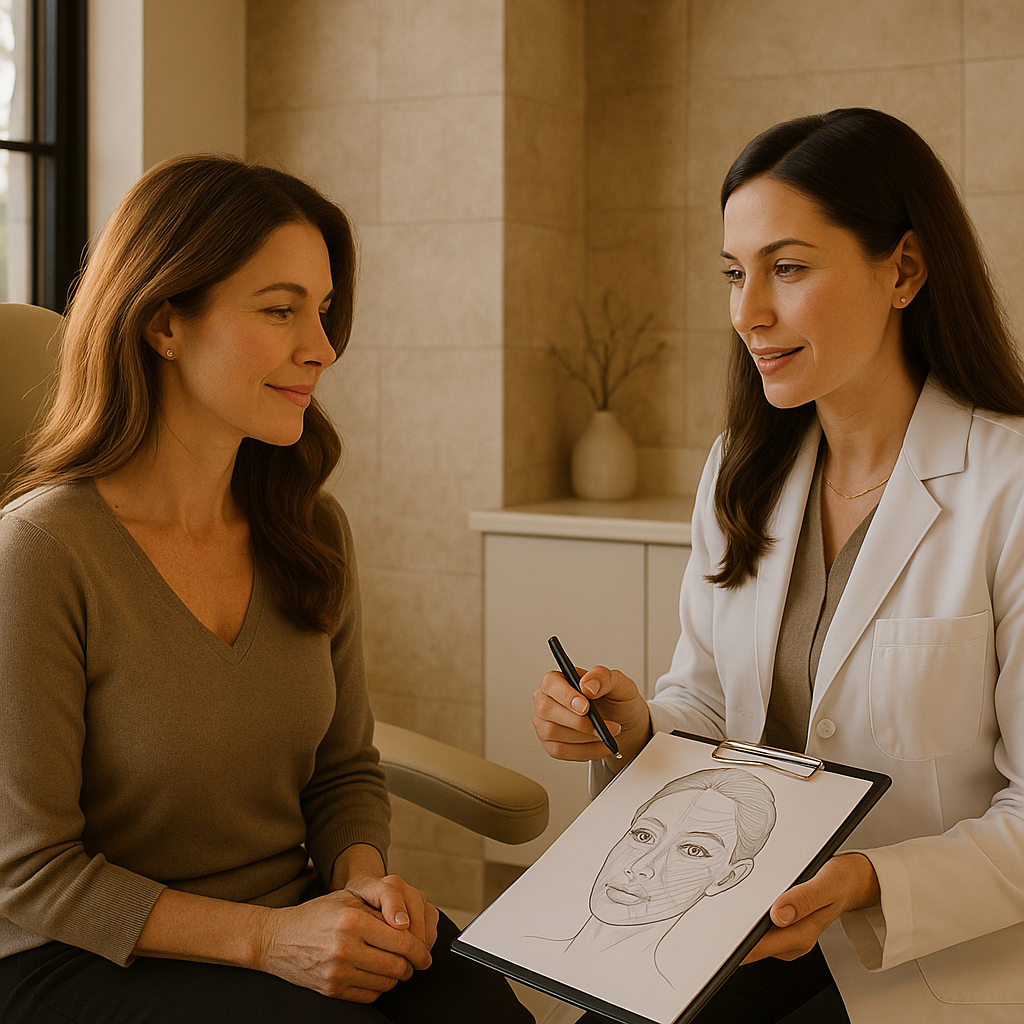
Your visit starts with a medical history and discussion of priorities: hair density, under-eye quality, acne scars, fine lines, or overall glow. Your provider explains whether PRP, PRF, microneedling, filler, Sculptra, or another option is most aligned with the concern. You should receive realistic timing, estimated number of treatments, total investment, risks, and aftercare instructions before consenting.
Step 2: Blood draw and preparation
A small amount of blood is drawn, similar to a routine laboratory draw. It is placed in a centrifuge, which separates components according to the selected protocol. PRP is generally collected as a liquid plasma fraction. PRF is prepared without anticoagulant and used soon after centrifugation because fibrin formation begins naturally.
Step 3: Cleansing, numbing, and delivery
The skin or scalp is cleansed, and topical numbing may be used. The provider then injects the product with a needle or cannula, applies it during microneedling, or uses a combination approach. Appointment time is commonly 45–90 minutes, depending on the areas treated and whether microneedling is included.
Step 4: Recovery and aftercare
Most patients return to normal non-strenuous activity the same day. Expect pinpoint bleeding, redness, tenderness, mild swelling, or bruising. Facial redness after microneedling often resembles a mild-to-moderate sunburn for one to three days, while bruising from injections can last several days and occasionally longer. Avoid strenuous exercise, heat exposure, alcohol, and makeup on freshly treated skin for the timeframe your provider specifies; follow your individualized instructions.
Because platelet function can be affected by some medicines and supplements, ask your provider about pre- and post-treatment guidance. Do not take or avoid medications without medical clearance. Contact the practice promptly for severe or increasing pain, spreading redness, fever, unusual swelling, or other concerning symptoms.
How Long Do PRP and PRF Results Last?
Skin results develop gradually
PRP and PRF are not “instant-result” treatments. Some people notice a temporary fresh appearance from hydration or swelling shortly after treatment, but more meaningful skin-quality changes generally appear over weeks. A practical expectation is initial improvement within two to six weeks, continued remodeling through about three months, and maintenance based on response and goals.
For many facial patients, a series of two or three sessions spaced four to six weeks apart is considered before evaluating maintenance. Results are variable and may last several months to a year, but sun exposure, smoking, weight changes, menopause, skincare habits, and natural aging all influence longevity. Daily broad-spectrum sunscreen and a consistent skincare routine protect the investment.
Hair results require patience and maintenance
For PRP hair restoration, three to six months is a more realistic window for early visible change because follicles move through prolonged growth cycles. Maintenance is commonly recommended every four to six months after the initial series, though plans vary. If shedding worsens or scalp symptoms develop, seek evaluation rather than simply booking another session.
Why Choose Akari Medspa for PRP and PRF in Pasadena?
A decision based on anatomy, not a menu label
Regenerative treatments are not interchangeable products. Akari Medspa approaches PRP and PRF recommendations by identifying the actual concern first—whether that is thinning hair, early textural change, under-eye crepiness, or volume loss that may respond better to another modality. This prevents patients from investing in a treatment that does not match their anatomy or goals.
Pasadena patients often balance demanding work schedules, family responsibilities, and active social calendars, so practical downtime and treatment timing matter. Our team serves the greater Pasadena community, including South Pasadena, San Marino, Arcadia, San Gabriel, and Glendale, with plans designed around realistic recovery and gradual, natural-looking results.
Medical standards and informed choice matter
PRP and PRF are prepared from your own blood, but “natural” does not mean risk-free. Bruising, swelling, infection, discomfort, and disappointing results are possible. In aesthetic use, PRP and PRF protocols, devices, and indications vary; patients should not assume that every regenerative use is specifically FDA-approved. The U.S. Food and Drug Administration regulates devices and biologic products differently, and a consultation is the right place to discuss the status and intended use of a particular treatment.
Choose a practice where licensed medical professionals perform an appropriate assessment, disclose alternatives, use sterile technique, and can explain why a specific protocol is being recommended. If you are comparing PRP PRF cost in Pasadena, book a consultation with Akari Medspa to receive a precise quote and a regenerative plan built around your skin or hair goals—not a generic package.
Conclusion: Is PRP or PRF Worth the Investment in Pasadena?
PRP is often the practical choice for scalp restoration and microneedling-based skin renewal, while PRF can be especially appealing for conservative, targeted facial rejuvenation. The best value is not simply the lowest per-session price; it is a medically appropriate plan, clear expectations, and treatment performed with careful technique. Schedule a consultation at Akari Medspa to compare PRP and PRF costs, discuss your candidacy, and decide which approach best supports your next step.
Frequently Asked Questions About PRP and PRF Cost in Pasadena
How much does PRP cost in Pasadena, CA?
PRP in Pasadena typically costs about $500–$1,200 per session. PRP microneedling commonly falls around $500–$900, while injected PRP for the scalp or face often ranges from $650–$1,200. A recommended initial series of three sessions increases the total investment, so ask for both per-session and package pricing.
How much does PRF cost in Pasadena, CA?
PRF in Pasadena commonly costs about $650–$1,500 per session. A targeted PRF treatment, such as the under-eye area, may cost $650–$1,200, while full-face or multiple-area PRF treatment may cost $900–$1,500 or more. Cost reflects treatment areas, number of tubes, provider time, and whether a series is recommended.
Is PRF better than PRP for under-eye treatment?
PRF is often chosen for under-eye skin quality because its fibrin matrix is used in a gradual, regenerative approach. However, it is not automatically better for every under-eye concern. Prominent bags, severe hollows, pigment-related dark circles, and fluid retention may require a different strategy. An in-person assessment is necessary because the under-eye area is anatomically complex.
Is PRP or PRF better for hair loss?
PRP has a longer clinical track record in many hair-restoration protocols and is commonly used for pattern hair thinning. A typical initial plan is three treatments spaced four to six weeks apart, followed by maintenance. PRF may also be considered, but the right choice depends on your diagnosis, scalp examination, medical history, and overall hair-loss plan.
How soon will I see PRP or PRF results?
For facial skin, early changes may appear within two to six weeks, with collagen remodeling continuing for roughly six to twelve weeks. Hair treatment requires more patience: reduced shedding may occur first, while visible density changes often take three to six months. Results are individual and cannot be guaranteed.
Does PRP or PRF treatment hurt, and is there downtime?
A blood draw, injections, or microneedling can cause temporary discomfort, but topical numbing is commonly used when appropriate. Most people have mild swelling, redness, tenderness, pinpoint bleeding, or bruising and return to regular non-strenuous activity the same day. Microneedling redness commonly lasts one to three days; injection bruising can last several days.
Are PRP and PRF FDA-approved for facial rejuvenation and hair restoration?
Patients should not assume that every PRP or PRF aesthetic use is FDA-approved. Regulatory status depends on the specific device, preparation system, and intended use, while clinicians may use treatments according to their medical judgment. Ask your provider to explain the particular protocol, its evidence, alternatives, expected benefits, and risks before proceeding.

Isabel “Izzy” Koo, MSN, NP-BC, leads Akari Medspa with a focus on integrity, artistry, and precision. As a board-certified nurse practitioner with advanced training in aesthetic medicine, she focuses on subtle enhancements that bring out each client’s natural features. Her careful approach and strong sense of balance help turn every treatment into a thoughtful, personalized experience built on trust.