
A subtle hollow beneath the eyes or a change in facial fullness can affect how rested and refreshed your features appear. You may want to restore volume while preferring an option that supports natural facial harmony rather than creating a noticeably altered look.
PRF EZ Gel is a regenerative injectable made from components of your own blood. It may provide gentle volume support while releasing platelet-derived signals associated with tissue repair, collagen production, and skin rejuvenation.
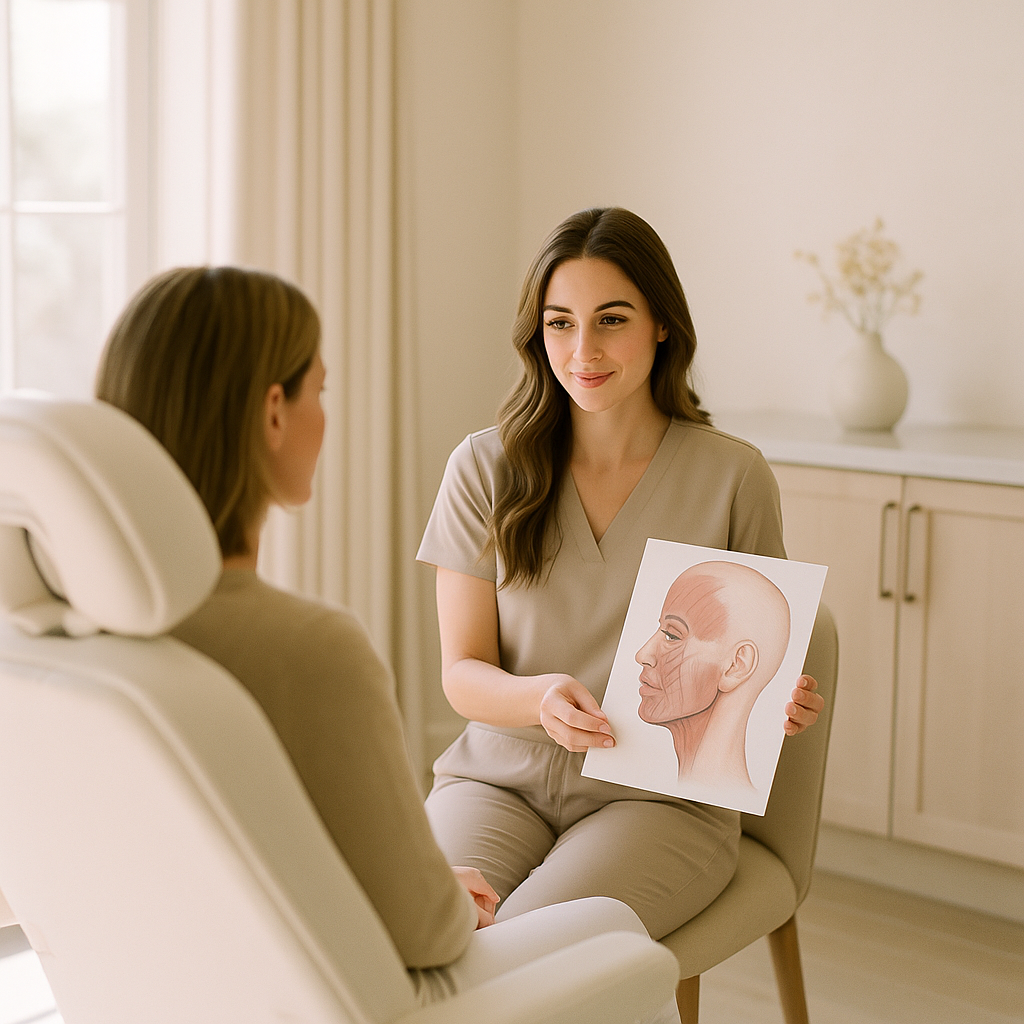
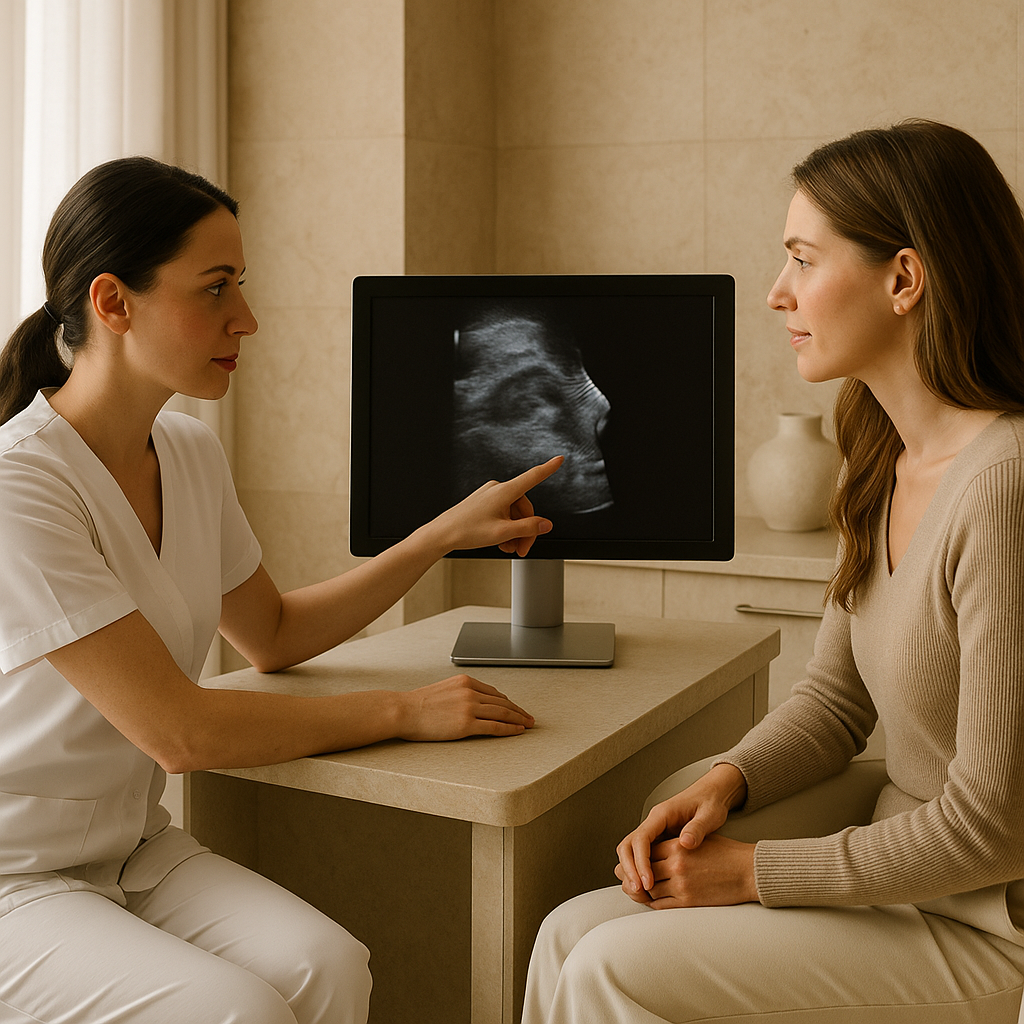
At Akari Medspa in Newport Beach and Pasadena, treatment begins with a detailed assessment of your anatomy, skin quality, and aesthetic goals. This personalized process helps determine whether PRF EZ Gel, traditional filler, a collagen stimulator, or another skin-focused treatment offers the most appropriate path forward.
What You’ll Learn From This Article
This guide explains how PRF EZ Gel works, what makes it different from traditional fillers, and how it may support subtle volume restoration and skin rejuvenation. You will also learn:
- How PRF EZ Gel is prepared from a small amount of your own blood
- How platelet-rich fibrin and albumin gel work together
- Which facial areas may be treated, including under-eye hollows and nasolabial folds
- How PRF EZ Gel compares with PRP, dermal fillers, and Sculptra
- What to expect during treatment, recovery, and follow-up
- How many treatments may be recommended
- Who may be a suitable candidate
- Why personalized treatment planning matters at Akari Medspa in Newport Beach and Pasadena
What Is PRF EZ Gel?
PRF EZ Gel is an injectable gel prepared from platelet-rich fibrin and heat-modified plasma proteins. Since the material comes from your own blood, it is considered an autologous treatment.
You may hear PRF EZ Gel described as a natural or regenerative filler. While these terms help explain its purpose, EZ Gel does not behave exactly like a traditional hyaluronic acid filler. It generally offers softer structural support and less predictable projection than a manufactured filler designed for precise contouring.
Its appeal comes from combining two functions. The gel may provide temporary fullness after injection, while the platelet-rich component releases biological signals that may support gradual improvements in skin quality.
Understanding Platelet Rich Fibrin
PRF stands for platelet-rich fibrin. It is prepared by processing a small amount of blood in a centrifuge to separate selected blood components.
The resulting material may contain platelets, white blood cells, plasma proteins, and a three-dimensional fibrin network. Platelets carry proteins commonly called growth factors. These proteins contribute to cellular communication and the body’s normal repair response.
The fibrin network acts as a supportive framework around the platelets and other cells. Instead of remaining completely liquid, as many PRP preparations do, PRF can form a matrix that gradually releases its biological components.
A study titled Biological Characterization of an Injectable Platelet-Rich Fibrin Mixture Consisting of Autologous Albumin Gel and Liquid Platelet-Rich Fibrin examined this combined material. Researchers found that the albumin-based liquid PRF mixture supported the gradual release of several growth factors in laboratory testing. They also observed biological activity related to fibroblast behavior and collagen gene expression.
These findings help explain why PRF EZ Gel is used as a regenerative treatment. However, the research was laboratory-based. It does not prove that every person will experience a specific amount of collagen production, volume restoration, or skin improvement.
How PRF Becomes EZ Gel
The preparation process begins with a blood draw. Your provider collects a small amount of blood and places it into specialized tubes. The tubes are then processed in a centrifuge, which separates blood components by density.
A portion of the plasma contains albumin, a naturally occurring protein. This plasma portion is carefully heated so that the albumin proteins change structure and form a thicker gel. After cooling, the albumin gel is combined with liquid platelet-rich fibrin.
This combination creates a moldable material that can be injected into selected facial areas.
Researchers explored this process in the Exploration of Proper Heating Protocol for Injectable Horizontal Platelet Rich Fibrin Gel. The study compared different heating temperatures and durations to assess their effects on gel formation, stability, cellular compatibility, and growth factor release.
In that laboratory model, heating at 75°C for 10 minutes produced a uniform, moldable gel and preserved favorable biological properties. The study also showed that heating conditions affected how quickly the material solidified and degraded.
This research reinforces an important point: the way PRF EZ Gel is prepared can influence the final product. It does not establish one universal cosmetic protocol for every practice, treatment area, or patient.
How PRF EZ Gel Supports Volume and Skin Rejuvenation
PRF EZ Gel may support facial rejuvenation in two complementary ways. Its gel consistency can provide early fullness, while the platelet-rich portion may contribute to gradual changes in the surrounding skin.
Gentle Structural Support From the Gel
Heating the albumin portion gives EZ Gel more body than liquid PRF or PRP. Once the gel is injected, it may help soften mild hollows and create smoother transitions between facial areas.
This makes PRF gel particularly appealing to people who want subtle improvement. It may support a refreshed appearance without adding the more defined projection that some traditional fillers provide.
The degree of volume restoration varies. Unlike commercial filler, PRF EZ Gel is prepared individually from each person’s blood. Its thickness, structural behavior, and longevity may differ based on the processing protocol and individual biological factors.
PRF EZ Gel may work well when the goal is gentle support. It may not provide enough lift or contour for someone seeking stronger cheek definition, lip projection, jawline structure, or correction of a deeper fold.
Gradual Support for Collagen and Elastin Production
Platelets in PRF release growth factors that support normal tissue repair and cellular signaling. These signals may support fibroblast activity.
Fibroblasts are cells that help produce collagen and elastin. Collagen contributes structure and firmness, while elastin allows the skin to stretch and return to its resting position.
In the biological characterization study described above, the albumin gel and liquid PRF mixture gradually released growth factors over the laboratory observation period. Researchers also reported increased fibroblast activity and markers related to collagen production.
These findings support the proposed regenerative role of PRF gel. Still, laboratory activity cannot guarantee a particular cosmetic result. Changes in skin texture, fine lines, or firmness may be subtle, and results vary from person to person.
Areas That May Be Treated With PRF EZ Gel
PRF EZ Gel can be considered for several facial areas. The right placement depends on your anatomy, tissue quality, facial movement, and desired degree of correction.
Under Eye Hollows and Tear Troughs
PRF EZ Gel is often discussed as an option for selected under-eye hollows and tear troughs. Carefully placed gel may soften the transition between the lower eyelid and upper cheek, helping the area appear smoother and more rested.
Not every under-eye shadow comes from a hollow, though. Pigmentation, visible blood vessels, fluid retention, prominent fat pads, skin thickness, and bone structure can all affect the appearance of this area.
Injecting more material will not correct every concern. Some people may benefit more from a skin treatment, carefully chosen dermal filler, surgical consultation, or no injectable treatment.
The under-eye region also contains delicate tissue and important vascular structures. Conservative treatment planning and detailed anatomical knowledge are essential.
Nasolabial Folds and Midface Transitions
Nasolabial folds extend from the sides of the nose toward the corners of the mouth. PRF EZ Gel may soften selected folds, but effective treatment requires more than simply applying gel directly along a line.
Your provider should evaluate the cheeks, midface, skin quality, facial movement, and surrounding contours. In some cases, supporting an adjacent area may create a more balanced improvement.
Natural folds remain part of normal facial anatomy and expression. The goal is usually refinement, not the removal of every visible line.
Fine Lines and Other Refined Treatment Areas
Depending on your features, PRF gel may also be considered for:
- Fine lines around the mouth
- Mild cheek hollows
- Selected temple transitions
- Superficial lines and wrinkles
- Areas where both skin texture and subtle volume are concerns
Your consultation should clarify how much change PRF EZ Gel can reasonably provide. Another injectable may be more suitable when precise contouring or stronger structural support is the priority.
PRF EZ Gel Compared With PRP and Traditional Fillers
PRF EZ Gel, PRP, hyaluronic acid filler, and collagen stimulators work differently. Understanding those differences can help you have a more productive consultation.
| Treatment | Main Material | Common Purpose | How Results Develop |
| PRF EZ Gel | Platelet-rich fibrin and heated albumin gel | Gentle volume support and regenerative skin goals | Early fullness with gradual skin changes |
| Liquid PRF | Platelet-rich fibrin preparation | Skin or hair rejuvenation support | Gradually |
| PRP | Platelet-rich plasma | Skin, scalp, or healing support | Gradually |
| Hyaluronic acid filler | Manufactured hyaluronic acid gel | Defined volume, contour, and structural support | Usually visible immediately |
| Sculptra | Polylactic acid | Broad collagen stimulation | Gradually over several months |
PRF EZ Gel Versus PRP
Both PRF and PRP begin with a blood draw and centrifuge processing. Both contain concentrated platelets, but their preparation and final structure differ.
PRP typically remains liquid and may include an anticoagulant depending on the preparation system. Providers often use it with microneedling, scalp treatments, or targeted injections.
PRF is prepared to support the development of a fibrin matrix. EZ Gel adds a heated albumin component, giving the product a thicker consistency and allowing it to provide more volume than a liquid preparation alone.
Neither treatment is automatically better. PRP may suit one goal, while PRF EZ Gel may fit another.
PRF EZ Gel Versus Hyaluronic Acid Filler
Traditional hyaluronic acid fillers are manufactured with specific physical properties. Different products can provide hydration, flexibility, projection, or structural support depending on where they are placed.
PRF EZ Gel usually creates softer volume. It may appeal to someone seeking an autologous treatment and valuing gradual skin support alongside subtle fullness.
Hyaluronic acid filler may be a better choice when the goal involves precise lip enhancement, cheek contour, jawline definition, or predictable projection.
There is also an important difference in reversibility. A provider can often dissolve hyaluronic acid filler with hyaluronidase when medically appropriate. PRF EZ Gel cannot be dissolved in the same manner.
Using a blood-derived product does not remove the need for careful injection technique, conservative dosing, and thoughtful patient selection.
What to Expect During a PRF EZ Gel Appointment at Akari
Akari Medspa approaches injectable treatment as part of an individualized aesthetic plan. The process begins by understanding what you want to preserve, refine, and support.
Personalized Consultation and Facial Assessment
Your provider reviews your medical history, medications, previous treatments, skin condition, and aesthetic priorities. The assessment also considers facial proportions, symmetry, tissue depth, movement, and the relationship between nearby features.
This evaluation helps determine whether PRF EZ Gel matches your goals.
Akari may recommend another option when it offers a more appropriate result. Dermal fillers can provide precise contour and volume. Sculptra can support broader collagen production. Botox, Dysport, or Daxxify may soften dynamic wrinkles. Rejuran, SkinVive, chemical peels, and microneedling can address different skin quality concerns.
This treatment selection process reflects Akari’s skin-first philosophy. The practice combines personalized planning, premium injectables, regenerative therapies, and attention to natural facial balance at its Newport Beach and Pasadena locations.
Blood Collection, Preparation, and Injection
After cleansing the skin, your provider draws a small amount of blood. The sample is centrifuged, and the selected plasma portions are prepared according to the treatment protocol.
The albumin-rich portion is heated and cooled before being combined with the liquid PRF. Your provider then maps the treatment area and injects the gel at a depth selected for your anatomy and treatment goals.
A needle or cannula may be used. You may notice brief pinching, pressure, or tenderness during the procedure. Comfort measures can be discussed during your consultation.
Results, Treatment Series, and Longevity
PRF EZ Gel results develop in stages.
You may see fullness immediately after the gel is injected, but swelling can contribute to this early appearance. The area becomes easier to assess as swelling settles.
Changes associated with collagen and elastin production take longer. Improvements in skin texture or smoothness may develop over several weeks, but the timing and degree of change vary.
Some treatment plans may include two treatments scheduled several weeks apart. Others may involve a different number of sessions. Your provider will consider the treatment area, your desired result, and your tissue’s response.
The longevity of PRF EZ Gel is less predictable than the duration of a standardized commercial filler. The preparation method, treatment location, injected amount, metabolism, and individual biological response may all influence how long the result remains visible.
Downtime, Side Effects, and Aftercare
PRF EZ Gel involves a blood draw and facial injections, so temporary side effects can occur.
Common responses may include:
- Swelling
- Redness
- Tenderness
- Bruising
- Sensitivity at the blood draw site
- Temporary unevenness while swelling settles
Swelling can appear more noticeable beneath the eyes because the tissue is naturally delicate.
Your provider will give you aftercare instructions based on the area treated and injection technique. You may be asked to avoid pressing or massaging the area unless directed. Temporary limits may also apply to strenuous exercise, alcohol, excessive heat, and certain skin treatments.
PRF EZ Gel is not risk-free simply because it comes from your own blood. Infection, inflammation, prolonged swelling, asymmetry, nodules, and other injection-related complications remain possible.
Contact the practice promptly if you develop symptoms that feel unusual, worsen, or do not improve as expected.
Who May Be a Good Candidate for PRF EZ Gel?
PRF EZ Gel may be appropriate for an adult seeking subtle volume support and gradual skin rejuvenation.
It may align with your goals when you want to:
- Soften selected under-eye hollows
- Create smoother facial transitions
- Support collagen production
- Improve the appearance of fine lines
- Maintain natural movement and expression
- Choose an injectable made from your own blood
- Refresh your appearance without highly defined volume
Another option may be better when you want significant projection, strong contouring, substantial lifting, treatment for dynamic wrinkles, or correction of pigmentation rather than a hollow.
Medical history also affects candidacy. Pregnancy, breastfeeding, active infection, certain blood or platelet conditions, medications, and other health considerations may affect whether treatment is appropriate. Your provider must review your individual circumstances before recommending an injection.
Why Personalized PRF EZ Gel Treatment Matters

PRF EZ Gel should not be prepared or injected according to the same template for every person. Your facial anatomy, skin quality, goals, and preferred degree of change all influence the treatment plan.
At Akari Medspa, expert injectors combine medical assessment with an understanding of facial harmony. The goal is to support your features, not mask them. Akari’s approach includes personalized treatment planning, regenerative care, premium injectables, and options that support long-term skin quality.
Clients can receive this thoughtful approach at Akari’s Newport Beach and Pasadena locations. Newport Beach also serves clients from Irvine, Costa Mesa, and Huntington Beach, while Pasadena is convenient for clients from San Marino, Arcadia, Glendale, South Pasadena, and nearby communities.
Create a Thoughtful Plan for Natural Volume Support

PRF EZ Gel offers a distinctive approach to facial rejuvenation. It combines gentle volume support with platelet-derived components that may encourage collagen production and gradual improvements in skin quality.
The treatment does not replace every dermal filler, collagen stimulator, or skin booster. Its value depends on choosing it for the right person, facial area, and aesthetic goal.
Book a personalized consultation at Akari Medspa in Newport Beach or Pasadena to determine whether PRF EZ Gel is right for a treatment plan tailored to your features, skin priorities, and preferred level of refinement.
Frequently Asked Questions About PRF EZ Gel
1. Is PRF EZ Gel the Same as Dermal Filler?
No. PRF EZ Gel is made from platelet-rich fibrin and heated albumin derived from your blood. Traditional fillers are manufactured products, often made with hyaluronic acid.
Both may restore volume, but filler usually provides more predictable projection and contour. PRF EZ Gel typically offers softer support with a regenerative treatment component.
2. Can PRF EZ Gel Treat Under Eye Hollows?
PRF EZ Gel may help soften selected under-eye hollows and tear trough transitions. It cannot correct every under-eye concern.
A provider should first determine whether the visible shadow relates to volume, pigmentation, fluid retention, skin quality, fat pads, or facial structure.
3. How Many PRF EZ Gel Treatments Will I Need?
Some clients may receive two treatments several weeks apart, while others need a different plan. The number of sessions depends on your anatomy, treatment area, desired correction, and individual response.
4. How Much Downtime Should I Expect?
Downtime varies. Swelling, bruising, redness, or tenderness may follow treatment. These effects are generally temporary, although under-eye swelling may remain noticeable for longer in some people.
Consider leaving adequate time between treatment and an important event, a professional photography session, or travel.
5. How Long Do PRF EZ Gel Results Last?
There is no single timeline that applies to everyone. The early gel effect and gradual regenerative response may also follow different timelines.
Your metabolism, preparation protocol, treatment area, injected amount, and biological response can affect longevity. The available laboratory research supports the regenerative potential of albumin gel and liquid PRF mixtures, but it does not guarantee a fixed duration of cosmetic improvement.

Isabel “Izzy” Koo, MSN, NP-BC, leads Akari Medspa with a focus on integrity, artistry, and precision. As a board-certified nurse practitioner with advanced training in aesthetic medicine, she focuses on subtle enhancements that bring out each client’s natural features. Her careful approach and strong sense of balance help turn every treatment into a thoughtful, personalized experience built on trust.