How Sunscreen Affects Botox and Fillers: Scientific Insights for Newport Beach and Pasadena
Sunscreen does not chemically dissolve Botox or dermal fillers, but it can strongly influence how long the skin around injectable treatments looks smooth, even, and healthy. For patients in sunny Newport Beach and Pasadena, daily UV protection is one of the most practical ways to preserve collagen, limit discoloration, and protect the quality of results from a thoughtful aesthetic plan at Akari Medspa.
Quick Answer
Sunscreen does not make Botox or FDA-approved dermal filler products used for their labeled indications last longer inside the body, nor does it damage them. However, broad-spectrum SPF 30 or higher reduces UV-driven collagen breakdown, inflammation, redness, and pigment changes that can make treated skin appear to age sooner. Daily sunscreen is especially important in high-UV Newport Beach and Pasadena.
Does Sunscreen Affect Botox and Dermal Fillers?
Sunscreen affects the appearance and skin-quality context of Botox and filler results rather than changing the injectable product itself. Botulinum toxin type A acts at the neuromuscular junction, while fillers sit within specific tissue planes and are gradually metabolized. A topical sunscreen remains on the skin surface; it does not reach Botox in a facial muscle or hyaluronic acid filler placed in the dermis, subcutaneous tissue, or near the periosteum.
How Botox Cosmetic works beneath the skin
Botox Cosmetic is an FDA-approved prescription medicine containing onabotulinumtoxinA, manufactured by Allergan Aesthetics, an AbbVie company. It temporarily reduces signaling from the nerve to a targeted muscle by blocking acetylcholine release at the presynaptic nerve terminal. When carefully dosed into muscles such as the corrugator supercilii, procerus, frontalis, or orbicularis oculi, it softens dynamic expression lines.
A sunscreen cannot neutralize this action. Botox results commonly begin in 3 to 5 days, are typically assessed at 10 to 14 days, and often last about 3 to 4 months. Individual metabolism, dose, muscle strength, treatment area, and prior treatment history have more effect on duration than SPF use.
How hyaluronic acid filler works beneath the skin
Most commonly used reversible fillers are hyaluronic acid (HA) gels, including products in the Juvéderm and Restylane families. Hyaluronic acid attracts water and can provide structural support, contour, or soft-tissue volume in areas such as the lips, cheeks, chin, jawline, and nasolabial folds. Filler placement depth and product selection vary by anatomy and goal.
Sun exposure does not “melt” HA filler. Depending on the specific product, whether its use is on-label or off-label, placement, amount, and patient factors, HA filler commonly lasts approximately 6 to 18 months. Some deep structural cheek or chin results may remain visible longer, while lips often need maintenance sooner. For detailed safety planning, explore ultrasound-guided dermal filler injections, an approach that can help a trained injector visualize relevant anatomy and existing filler in appropriate cases.
What sunscreen can improve
Ultraviolet radiation contributes to photoaging by increasing oxidative stress and activating matrix metalloproteinases, enzymes associated with collagen and elastin degradation. UV exposure can also worsen uneven pigmentation, visible redness, rough texture, and laxity. Those changes may make a face look less rested even when Botox is still relaxing a muscle or filler is still providing volume.
In practical terms, sunscreen protects the canvas around an injectable result. It cannot guarantee longer product longevity, but it can help preserve a more even, refined-looking complexion between appointments.
Why Is Sunscreen Especially Important After Botox or Filler in Newport Beach and Pasadena?
Daily sunscreen is particularly relevant for Botox and filler patients in Newport Beach and Pasadena because Southern California’s year-round sun, outdoor dining, driving, beach time, hiking, golf, and reflective surfaces create regular incidental UV exposure. UVA rays penetrate through clouds and window glass and are associated with photoaging; UVB is a principal cause of sunburn. Both matter for skin health.
Newport Beach lifestyle and UV exposure
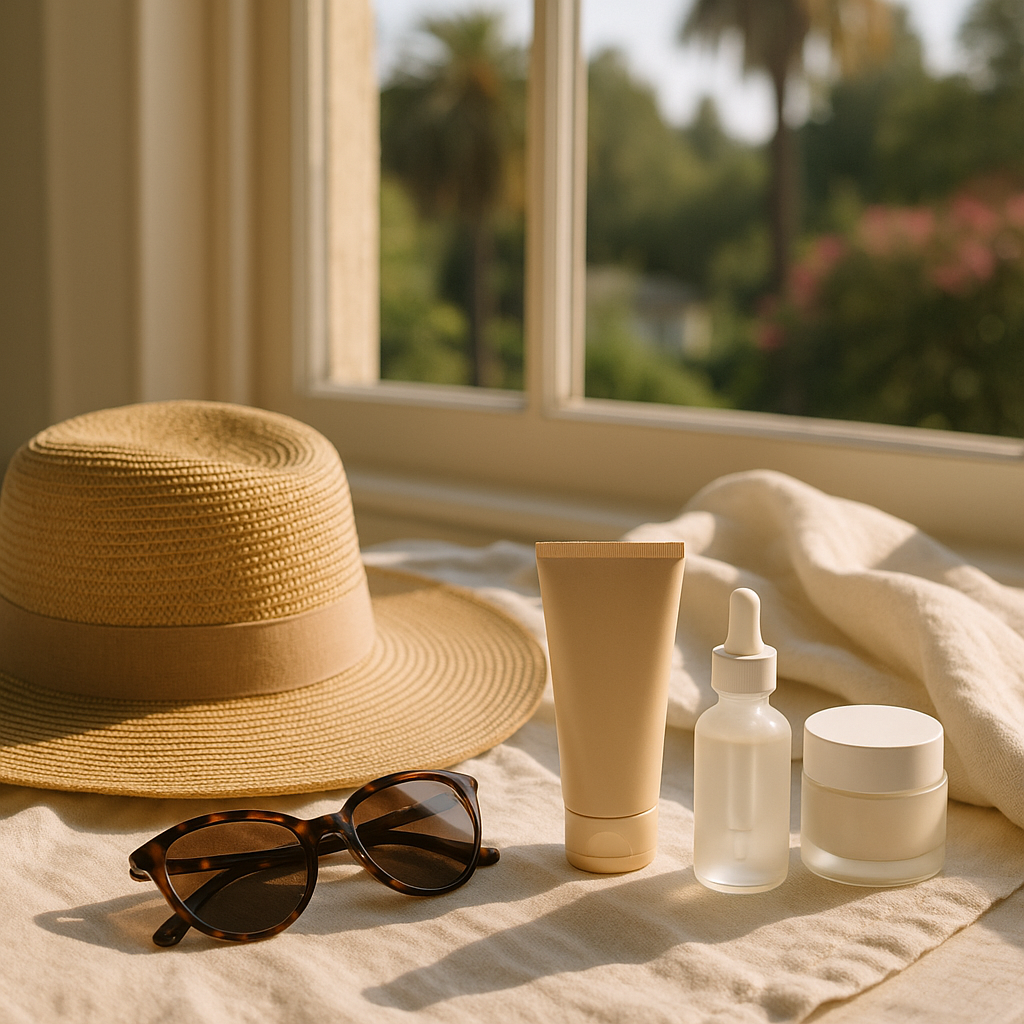
In Newport Beach, time near the coast, boating, walks around Balboa Peninsula, and reflected light from water and sand can increase a patient’s cumulative UV dose. Reflective surfaces do not alter injected Botox or filler, but they can intensify skin exposure. A broad-brimmed hat, sunglasses, shade, and sunscreen reapplication are sensible complements to injectable care.
Pasadena lifestyle and daily sun habits
Pasadena patients often accumulate sun exposure during commutes, outdoor exercise, neighborhood walks, and time around Old Pasadena or the Rose Bowl area. Even a mostly indoor workday can include meaningful exposure through car windows. A daily facial sunscreen is therefore not only a vacation-day product; it is an everyday skin-aging strategy.
The first 24 to 48 hours after treatment
The core aftercare priorities after Botox and fillers are different from sunscreen use itself. After Botox, patients are commonly advised to avoid rubbing or massaging the treated area and to remain upright for about 4 hours; providers may also advise avoiding strenuous exercise, high heat, and facials until the next day. After filler, avoid pressing on the treatment area unless specifically instructed, and follow individualized advice regarding exercise, heat, alcohol, and makeup.
For sunscreen after either treatment, use a clean application method and press or glide very gently rather than vigorously rubbing injection sites. Mineral sunscreen formulas containing zinc oxide and/or titanium dioxide are often comfortable for temporarily sensitive skin, but either mineral or chemical broad-spectrum sunscreen may be appropriate if it is tolerated. Follow the specific instructions provided by the treating clinician, especially after injections around the eyes, lips, or nose.
What SPF Should You Use With Botox and Fillers?
The best sunscreen after Botox or filler is one a patient will apply correctly and consistently: broad-spectrum, SPF 30 or higher, water-resistant when sweating or swimming, and compatible with the person’s skin type. The American Academy of Dermatology recommends broad-spectrum SPF 30 or higher and reapplication about every two hours outdoors, or after swimming or sweating.
Mineral versus chemical sunscreen
Mineral sunscreens use zinc oxide, titanium dioxide, or both to protect against UV radiation. They are often favored by patients with reactive skin because they tend to be less irritating, although formulas vary. Chemical or organic filters absorb UV energy and can feel lighter or leave less visible cast, which may improve daily adherence for some skin tones.
Neither category interacts with Botox, Dysport, Daxxify, Sculptra, or HA filler after appropriate injection. Choose a formula that does not sting, pill under makeup, or cause breakouts, because consistency matters more than marketing language.
A precise application routine
For the face and neck, many dermatology educators use the “two-finger” guideline: dispense two full finger lengths of sunscreen for the face and neck combined. Apply it 15 minutes before outdoor exposure if the formula directions call for that, then reapply every two hours while outdoors. Use approximately one ounce—enough to fill a shot glass—for exposed adult body skin.
Do not forget the ears, hairline, neck, chest, and backs of hands. These areas often reveal sun damage and can visually contrast with a smoother treated face. Tinted mineral sunscreen with iron oxides may be useful for people concerned about visible-light-associated pigment worsening, particularly melasma or post-inflammatory hyperpigmentation, although it is not a replacement for individualized pigment treatment.
Sunscreen is one layer of protection
SPF is not a license for unlimited sun exposure. Pair it with shade between roughly 10 a.m. and 4 p.m. when possible, UV-protective clothing, a hat, and sunglasses. For patients treating photoaging, texture, or pigmentation, Akari Medspa can integrate injectables with options such as microneedling treatments for skin renewal when clinically suitable.
Who Benefits Most From Sunscreen With Botox and Fillers?
Sun protection is generally beneficial for Botox and filler patients, and it is especially valuable for people with visible photodamage, pigment concerns, outdoor work or recreation, fair or easily sunburned skin, a history of melasma, or a goal of maintaining natural-looking facial balancing over time. It is also particularly important for anyone using retinoids, exfoliating acids, or pigment-focused treatments that may irritate the skin or increase the need for careful photoprotection.
Good candidates for Botox and sunscreen-based maintenance
Healthy adults bothered by dynamic frown lines, forehead lines, or crow’s feet may be candidates for Botox after a medical consultation. Candidates should have realistic expectations: Botox softens muscle-driven wrinkles; it does not restore lost cheek volume, remove all etched-in lines, treat pigmentation, or replace sunscreen. Patients who are pregnant, breastfeeding, have a neuromuscular disorder, an infection at the planned injection site, or have had a prior hypersensitivity reaction need individualized medical guidance and may not be candidates.
Good candidates for filler and sunscreen-based maintenance
Adults seeking support for volume loss, lip shape, chin projection, cheek contour, jawline definition, or facial proportion may be candidates for filler following an in-person facial assessment. Filler is not right for everyone. Active skin infection, uncontrolled inflammatory skin disease, certain medical histories, prior permanent filler, pregnancy or breastfeeding, and unrealistic expectations require careful evaluation or may defer treatment.
Patients often ask whether sunscreen prevents filler from breaking down. The accurate answer is no: it protects the surrounding skin, not the gel’s metabolic timeline. For patients considering a structural plan rather than a single isolated syringe, personalized facial balancing in Newport Beach and Pasadena explains how proportion, anatomy, and conservative staging guide natural-looking decisions.
When to call your injector instead of self-treating
Expected short-term effects after injections can include pinpoint bleeding, tenderness, swelling, redness, or bruising. Contact the treating practice promptly for worsening pain, marked blanching or dusky color change, skin that feels unusually cool, a mottled pattern, visual symptoms, or any concern after filler. These can be signs of a rare vascular complication and require urgent clinical assessment. Seek emergency care for symptoms such as trouble breathing, facial weakness, speech difficulty, or vision changes.
How Much Do Botox, Fillers, and Sunscreen-Focused Skin Plans Cost in Newport Beach and Pasadena in 2026?
In 2026, Botox and filler costs in Newport Beach and Pasadena depend on product, treatment area, injector expertise, anatomy, and the amount of correction needed. Sunscreen is a relatively low-cost maintenance investment, but it should not be presented as a substitute for medically indicated skin care or professional injectable treatment.
Typical local Botox pricing
A realistic Newport Beach and Pasadena market range for Botox Cosmetic is approximately $12 to $20 per unit. Common cosmetic treatment totals may range from $180 to $800 or more, depending on units and areas treated. For example, crow’s feet may use roughly 12 to 24 total units, glabellar lines often 15 to 25 units, and forehead dosing is highly individualized because overtreatment can affect brow movement.
Dysport is measured in different units and should not be compared one-to-one with Botox. Daxxify has a different formulation and pricing model. A transparent consultation should identify the brand, units, treatment areas, total cost, and follow-up policy before treatment. Review Botox treatment options at Akari Medspa for a clinical overview.
Typical local dermal filler pricing
In Newport Beach and Pasadena, FDA-approved HA filler products commonly range from approximately $700 to $1,200 per syringe in 2026. A conservative lip enhancement may use 0.5 to 1 syringe; cheek, chin, jawline, or full facial balancing plans may require 2 to 6 or more syringes staged over visits. Total treatment investment commonly ranges from $700 to $6,000+, based on the plan.
Sculptra, a poly-L-lactic acid collagen stimulator manufactured by Galderma, is priced differently and commonly ranges around $800 to $1,200 per vial in the local market. It usually requires multiple vials and sessions; it is not a direct replacement for an HA filler because its mechanism, timeline, and reversibility differ.
Sunscreen and skin-maintenance costs
A high-quality daily facial SPF usually costs about $20 to $60 per product, depending on size and formulation. Patients using adequate amounts outdoors may finish a facial sunscreen in one to two months. Investing in SPF can help reduce preventable photodamage, but no product can promise to preserve Botox or filler indefinitely.
Akari Medspa should confirm actual pricing, promotions, product availability, candidacy, and payment options during consultation rather than relying on generalized online ranges.
What Should You Expect at a Botox or Filler Appointment at Akari Medspa?
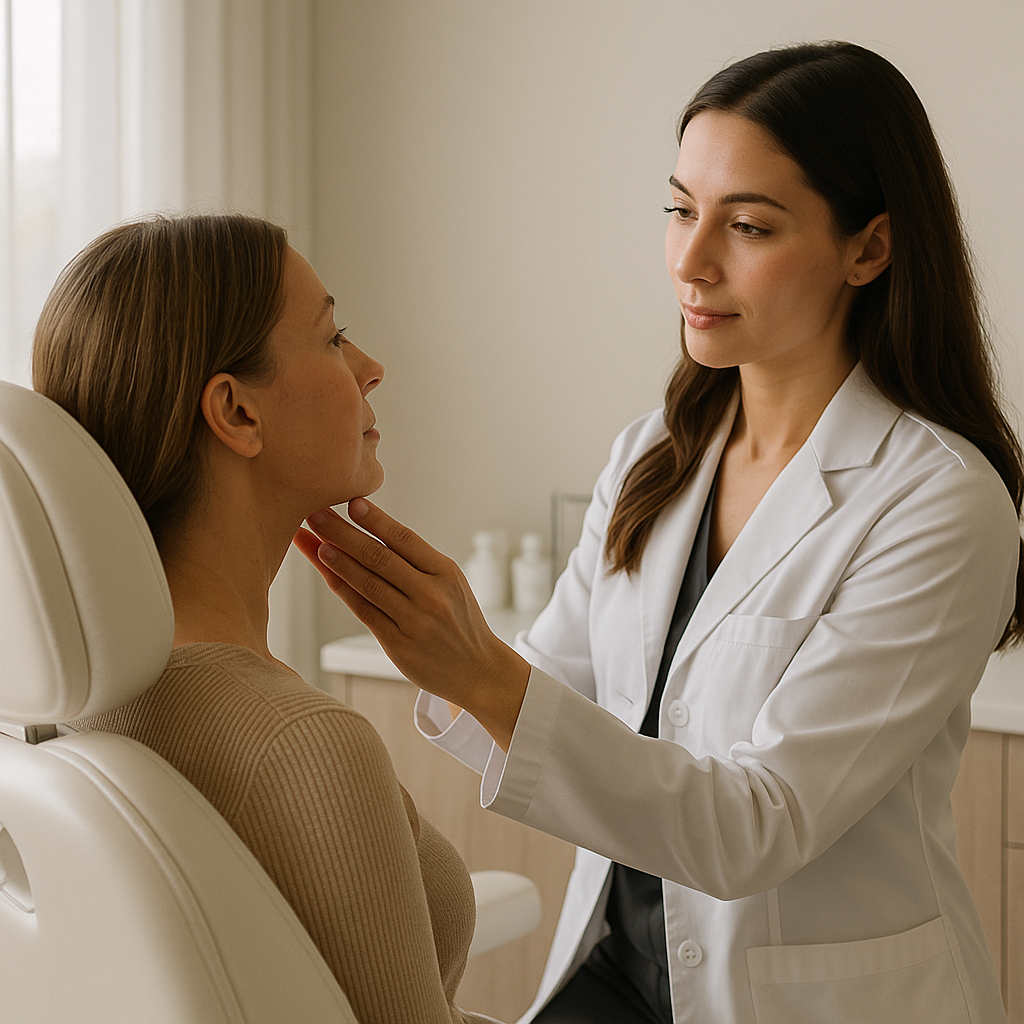
At Akari Medspa, an appropriate Botox or filler appointment should begin with individualized medical screening and aesthetic assessment, not a one-size-fits-all injection menu. Treatment usually takes 15 to 45 minutes after consultation, depending on the number of areas and whether filler is included.
Step-by-step appointment process
- Discuss goals and medical history. The clinician reviews concerns, prior injectable history, medications and supplements, allergies, pregnancy or breastfeeding status, and relevant medical conditions.
- Assess facial movement and anatomy. For Botox, the provider observes animation. For filler, the provider evaluates volume distribution, facial proportions, skin quality, asymmetry, and the appropriate tissue plane.
- Create a conservative plan and quote. You should understand the product brand, anticipated amount, expected result, alternatives, cost, risks, and whether treatment should be staged.
- Take baseline photographs if appropriate. Consistent photos help assess outcomes objectively at follow-up.
- Cleanse and prepare the skin. Makeup and sunscreen are removed from injection areas; topical anesthetic, ice, or vibration may be used for comfort when appropriate.
- Perform injections with appropriate technique. Botox is typically placed with a very fine needle into selected muscles. Filler may be placed with a needle or cannula depending on anatomy and provider judgment. Some cases may benefit from ultrasound-guided assessment.
- Review aftercare and warning signs. Patients receive individualized instructions, including gentle sunscreen application, activity limits, and guidance on when to contact the practice.
- Plan follow-up. Botox is commonly reviewed at 10 to 14 days. Filler follow-up timing depends on area, swelling, and treatment plan.
Realistic downtime and recovery
Botox has minimal downtime. Small bumps usually resolve within minutes to hours; bruising is possible and can last several days. Filler swelling is often most noticeable during the first 24 to 72 hours and may take up to two weeks to fully settle, especially in the lips or under-eye region. Avoid planning first-time lip filler immediately before a major event.
Botox and Fillers Versus Other Skin-Aging Treatments: What Is the Difference?
Botox, filler, sunscreen, collagen stimulators, microneedling, and energy-based treatments address different aspects of facial aging. Combining appropriate treatments can be more effective than repeatedly adding filler to a concern caused primarily by muscle movement, pigment, poor texture, or skin laxity.
Botox versus filler
Botox treats repetitive muscle contraction and generally lasts 3 to 4 months. HA filler adds volume or contour and generally lasts 6 to 18 months. Botox may help forehead lines, frown lines, crow’s feet, masseter hypertrophy as an off-label use, or platysmal bands when clinically appropriate. Filler may support cheeks, lips, chin, jawline, temples, or smile lines. Neither treatment removes sun damage; sunscreen and skin-rejuvenation treatments address the skin surface and collagen environment.
Filler versus Sculptra
HA filler produces immediate contour change and can often be dissolved with hyaluronidase if medically appropriate. Sculptra gradually stimulates collagen production over weeks to months and is not dissolved in the same way. Sculptra outcomes may last up to about two years in suitable patients after a complete series, but results vary. It is typically better for diffuse volume loss than precise lip shaping.
Injectables versus skin-tightening or microneedling
Microneedling creates controlled microchannels intended to stimulate wound-healing responses and collagen remodeling. A series of 3 to 6 sessions, often spaced 4 to 6 weeks apart, is common; improvements develop gradually. Sofwave is an FDA-cleared ultrasound device for specific noninvasive aesthetic indications, with results commonly evolving over approximately 8 to 12 weeks. These treatments do not replace volume loss correction or neuromodulator treatment.
Unlike clinics that may emphasize a single trending service for every concern, a quality assessment distinguishes dynamic lines, volume loss, laxity, pigment, and texture before recommending a plan. Patients should verify product authenticity, provider licensure, emergency protocols, and experience with complication recognition rather than selecting treatment solely by a low advertised price.
Why Choose Akari Medspa for Botox, Fillers, and Skin Health in Newport Beach and Pasadena?
Akari Medspa serves patients seeking a considered approach to Botox, dermal fillers, PRP/PRF, collagen stimulation, and skin rejuvenation across Newport Beach and Pasadena. The right aesthetic practice should prioritize a medical consultation, informed consent, authentic FDA-approved prescription products and FDA-cleared devices when indicated, conservative dosing, anatomy-based planning, and clear access to aftercare support. Some aesthetic uses may be off-label and should be discussed during informed consent.
Clinical standards that matter
Ask who will perform your treatment and confirm that the clinician is properly licensed for their role, such as an MD, DO, NP, PA-C, or RN working under required medical oversight. Ask about training in facial anatomy, complication management, product-specific education, sterile technique, and whether the practice maintains protocols for vascular occlusion and urgent referral. These questions matter far more than a social-media trend or a discounted per-unit offer.
Akari Medspa can discuss treatment options and skin-protection habits in the context of each patient’s goals, complexion, schedule, and prior injectable history. Results vary, and responsible providers do not promise that sunscreen, Botox, or filler will stop facial aging.
Serving Newport Beach and Pasadena and surrounding communities
Akari Medspa serves Newport Beach and Pasadena patients as well as Irvine, Costa Mesa, Huntington Beach, San Marino, San Gabriel, Glendale, Arcadia, and South Pasadena. Patients from coastal Orange County may want plans compatible with outdoor, beach-oriented routines, while San Gabriel Valley patients often seek discreet, natural-looking maintenance that fits busy professional and family schedules.
Whether you are considering preventative Botox, restoring volume with filler, or building a skin-health routine that includes reliable daily SPF, choose a consultation-based plan. Contact Akari Medspa at (949) 628-6949 or book online at https://akarimedspa.janeapp.com/ to discuss appropriate treatment and aftercare.
Medical disclaimer: This article is for general educational purposes and is not a substitute for individualized medical advice, diagnosis, or treatment. Injectable and skin-care results vary by person. Consult a qualified, licensed medical provider to determine whether a treatment is appropriate for you and to receive individualized aftercare instructions.
Frequently Asked Questions About Sunscreen, Botox, and Fillers
Can sunscreen make Botox last longer?
Sunscreen does not directly extend the pharmacologic duration of Botox. Botox duration is primarily influenced by dose, muscle activity, metabolism, injection technique, and treatment area; many patients see results for about 3 to 4 months. Daily broad-spectrum SPF 30 or higher can reduce UV-related collagen loss and discoloration, helping the treated skin look healthier while Botox is active.
Can sunscreen dissolve dermal filler?
No. Sunscreen does not dissolve properly placed dermal filler. Topical sunscreen acts on the skin surface, while hyaluronic acid filler is placed beneath the skin at a depth selected for the treatment area. HA filler is gradually broken down through normal biological processes over months. Excessive sun exposure can still worsen skin texture, pigment, and collagen loss around the filler.
When can I put sunscreen on after Botox?
Many patients can apply sunscreen after Botox the same day if they do so gently with clean hands and avoid rubbing or massage. Follow the treating clinician’s instructions, especially during the first several hours. Botox aftercare commonly includes staying upright for about 4 hours and avoiding vigorous exercise, facial massage, or high heat until the next day.
When can I wear sunscreen after lip or cheek filler?
Sunscreen can generally be used after filler once the skin is clean and there is no active bleeding, but apply it with minimal pressure. Pat or lightly glide it over the skin rather than massaging treated areas. Swelling and tenderness are common for 24 to 72 hours, and your injector may give additional area-specific instructions, particularly for lip, tear-trough, or nasal treatment.
Is mineral sunscreen better after filler?
Mineral sunscreen is not inherently safer for the filler itself, but zinc oxide and titanium dioxide formulas can be a comfortable choice for sensitive or temporarily irritated skin. The most important factors are broad-spectrum protection, SPF 30 or higher, tolerability, and consistent reapplication outdoors. People with acne, rosacea, melasma, or fragrance sensitivity may benefit from individualized product guidance.
Does sun exposure cause filler to migrate?
There is no evidence that ordinary sun exposure causes dermal filler migration. Migration is more closely related to product choice, placement plane, injection volume, tissue characteristics, repeated treatment, and anatomy. Sun exposure can cause swelling or redness in sensitive skin and can worsen photoaging, which may make facial changes more noticeable. New lumps, persistent swelling, or asymmetry should be assessed by the treating clinician.
Does Botox protect against sun damage?
No. Botox does not protect against UVA or UVB radiation, sunburn, skin cancer, pigment changes, or collagen loss caused by UV exposure. It can soften muscle-driven wrinkles, but it is not an SPF substitute. Use broad-spectrum SPF 30 or higher, shade, protective clothing, and regular skin examinations as appropriate for your health history.
Where can I get Botox and fillers with skin-care guidance in Newport Beach and Pasadena?
Akari Medspa serves patients in Newport Beach and Pasadena who want Botox, dermal fillers, and a more complete skin-health discussion that includes sunscreen and realistic maintenance. A good consultation reviews facial anatomy, goals, product options, risks, aftercare, and sun-protection habits rather than treating every concern with the same injectable approach. Call (949) 628-6949 or use the verified online booking link to schedule.

Isabel “Izzy” Koo, MSN, NP-BC, leads Akari Medspa with a focus on integrity, artistry, and precision. As a board-certified nurse practitioner with advanced training in aesthetic medicine, she focuses on subtle enhancements that bring out each client’s natural features. Her careful approach and strong sense of balance help turn every treatment into a thoughtful, personalized experience built on trust.