

Dermal Fillers Cost in Newport Beach: Syringe Pricing and Facial Balancing Value
For patients comparing dermal fillers cost in Newport Beach, the number on a per-syringe quote is important—but it is not the entire value equation. Product selection, anatomy, injector experience, and a customized facial-balancing plan all influence both price and the quality of the result. At Akari Medspa, patients receive a thoughtful assessment designed to create refined, natural-looking enhancement rather than a one-size-fits-all treatment.
Quick Answer: Dermal fillers in Newport Beach typically cost about $650 to $1,100 per syringe for hyaluronic acid fillers, while biostimulators such as Sculptra commonly cost $800 to $1,100 per vial. Most facial-balancing plans require one to four syringes over one or more visits. Price varies by filler brand, treatment area, amount needed, and injector expertise.
What Do Dermal Fillers Cost in Newport Beach, CA?
Newport Beach dermal filler pricing reflects the product used, the complexity of the area being treated, and the clinical experience required to perform injections safely and artistically. In Orange County, it is common to see promotional pricing that appears low at first glance. However, patients should ask whether the stated fee is per syringe, whether it applies to a specific product only, and whether the recommended treatment plan includes enough product to achieve a balanced outcome.
Typical Newport Beach filler price ranges
The following ranges are realistic starting points for the local market. A consultation is necessary for an exact quote because each face, treatment objective, and product plan is different.
| Treatment type | Typical Newport Beach investment | Common uses |
|---|---|---|
| Hyaluronic acid dermal filler | $650–$1,100 per syringe | Lips, cheeks, chin, jawline, nasolabial folds, under-eyes in appropriate candidates |
| Premium or specialty HA filler | $800–$1,200 per syringe | Structural contouring, advanced lip work, highly mobile areas |
| Sculptra Aesthetic | $800–$1,100 per vial | Gradual collagen stimulation for temples, cheeks, jawline, and overall volume loss |
| Radiesse | $800–$1,050 per syringe | Jawline, chin, cheeks, and selected collagen-stimulating applications |
| Lip filler appointment | $700–$1,200+ | Often one syringe, depending on starting anatomy and goals |
| Full facial balancing plan | $1,800–$5,000+ | Multi-area correction using two to five or more syringes/vials over time |
A lower quote does not automatically mean poor care, and a higher quote does not guarantee superior artistry. The best value is a treatment plan that uses authentic products, appropriate techniques, sound anatomical judgment, and conservative dosing that respects your baseline features.
Why one syringe may not be enough
A standard syringe contains approximately 1 mL of filler. That is a small volume: roughly one-fifth of a teaspoon. One syringe can make a meaningful difference in lips, subtle chin refinement, or a small contour correction. It may not be sufficient for both cheeks, a full jawline, or comprehensive facial balancing.
Patients from Newport Beach, Costa Mesa, Irvine, and Huntington Beach often arrive with a photo-based goal such as “more definition” or “less tired-looking.” During an in-person evaluation, the injector may identify a structural issue—such as midface volume loss, chin retrusion, or temple hollowing—that affects the entire profile. Treating the support point, rather than repeatedly filling a crease, can be a more efficient and natural-looking investment.
Why Do Dermal Filler Prices Differ Between Providers?
Filler pricing varies because dermal filler treatment is a medical procedure, not simply a retail product purchase. The syringe is only one component of the appointment. You are also investing in clinical assessment, product sourcing, sterile technique, anatomical knowledge, complication preparedness, and aesthetic judgment.
Product choice changes the treatment cost
Different fillers have distinct gel properties. Hyaluronic acid (HA) fillers from the Juvéderm and Restylane families are selected based on their cohesivity, elasticity, viscosity, and intended placement depth. A soft, flexible HA filler may be appropriate for lips or fine lines, while a more supportive filler may be better for a chin, cheek, or jawline.
Sculptra Aesthetic is different from HA filler. It contains poly-L-lactic acid, which stimulates the body to produce collagen gradually. It does not create immediate water-binding volume in the same way as HA fillers, and treatment is often planned in a series. Radiesse contains calcium hydroxylapatite microspheres in a gel carrier and may provide immediate support while also encouraging collagen production over time.
The right product is not always the least expensive one. Choosing a filler based solely on a sale price can lead to an inappropriate product choice or an under-treated area.
Injector expertise is part of the value
Facial filler injections require a detailed understanding of skin layers, facial retaining ligaments, muscle movement, fat compartments, arteries, and veins. A trained medical injector evaluates where volume has changed and where product can be placed to support the face with minimal product.
At Akari Medspa, treatment planning prioritizes facial harmony, safety, and results that remain believable in real life—not only in posed photos. This matters for active Newport Beach patients who want to look refreshed for work, family events, social plans, and outdoor coastal lifestyles without appearing overfilled.
Ask a prospective provider about their credentials, their experience with your treatment area, their approach to complications, and whether they keep hyaluronidase available for HA filler reversal when clinically indicated. Board-certified physicians, physician assistants, nurse practitioners, and registered nurses working within appropriate medical oversight bring different credentials; patients should understand who will perform their injections and their relevant aesthetic training.
Safety protocols should never be optional
FDA-approved dermal filler products are approved for specific indications and anatomical areas, which vary by brand. Any injection also carries risks, including bruising, swelling, asymmetry, infection, nodules, and, rarely, accidental injection into a blood vessel. Vascular occlusion is an uncommon but serious complication that needs urgent recognition and treatment.
A reputable medical spa should perform a medical history review, discuss risks and alternatives, use legitimate products from authorized channels, document the product and lot number, and provide aftercare instructions. These safeguards are part of the true cost of responsible filler care.
How Does Facial Balancing Create Better Value Than Treating One Area Alone?
Facial balancing is an individualized approach that considers the relationship between the forehead, temples, cheeks, nose, lips, chin, and jawline. It does not mean every patient needs filler everywhere. It means treatment decisions are made in context.
The structural approach to facial balancing
For example, a patient concerned about a weak profile may initially request lip filler. If the chin is under-projected, modest chin enhancement may improve profile balance more effectively than adding volume to the lips alone. A patient focused on nasolabial folds may benefit from restoring midface support rather than placing excessive filler directly into the folds.
This approach can help prevent the “pillow face” look associated with repeated, isolated filling of the same area. It also allows staged treatment. A provider may recommend beginning with foundational support, reassessing after swelling resolves, then refining lips or lower-face contour later.
What patients commonly ask at consultation
Patients often ask, “Will I look like myself?” and “How many syringes will I need?” Those are appropriate questions. A responsible answer requires an examination rather than a universal number. Skin quality, previous filler, skeletal structure, age-related volume changes, metabolism, and desired degree of correction all matter.
For many first-time patients, a conservative one- to two-syringe plan is a reasonable starting point. More comprehensive correction can require multiple syringes across several appointments. Gradual treatment can be especially useful for patients from Pasadena, San Marino, Arcadia, and South Pasadena who prefer subtle changes that friends and colleagues cannot immediately identify.
Dermal Fillers vs. Botox vs. Sculptra: Which Investment Fits Your Goal?
Dermal fillers, neuromodulators, and collagen stimulators can complement one another, but they solve different concerns. Comparing them helps patients avoid spending money on a treatment that does not address the source of the issue.
Dermal fillers vs. Botox
Botox Cosmetic and similar botulinum toxin products temporarily relax selected muscles that create dynamic lines, such as frown lines, forehead lines, and crow’s feet. Effects generally begin within several days, reach their full effect at about two weeks, and often last approximately three to four months.
Dermal fillers add or restore volume, contour, and support. They are commonly used for lips, cheeks, temples, chin, jawline, and folds at rest. HA filler longevity varies by product, area, metabolism, and amount placed; it commonly lasts about six to 18 months. Highly mobile lips often metabolize filler sooner than cheek or chin areas.
For patients comparing Botox Newport Beach options with fillers, the simple distinction is this: Botox treats muscle-driven movement; filler treats volume, contour, and structural support. Some concerns, such as a downturned mouth or masseter-related facial widening, may involve both muscle activity and facial proportions.
Dermal fillers vs. Sculptra
HA fillers provide immediate visible volume, although early swelling can temporarily make results look fuller than the settled outcome. Sculptra works gradually as collagen develops. Most patients need more than one session, commonly spaced four to eight weeks apart, and visible improvement develops over several months. Results from Sculptra may last about two years or longer in appropriate patients, though outcomes vary.
Choose HA filler when you want precise, adjustable contouring or immediate improvement. Consider Sculptra when diffuse volume loss, skin quality, and gradual collagen stimulation are priorities. A skilled injector may combine these approaches in a staged plan.
Dermal fillers vs. surgical procedures
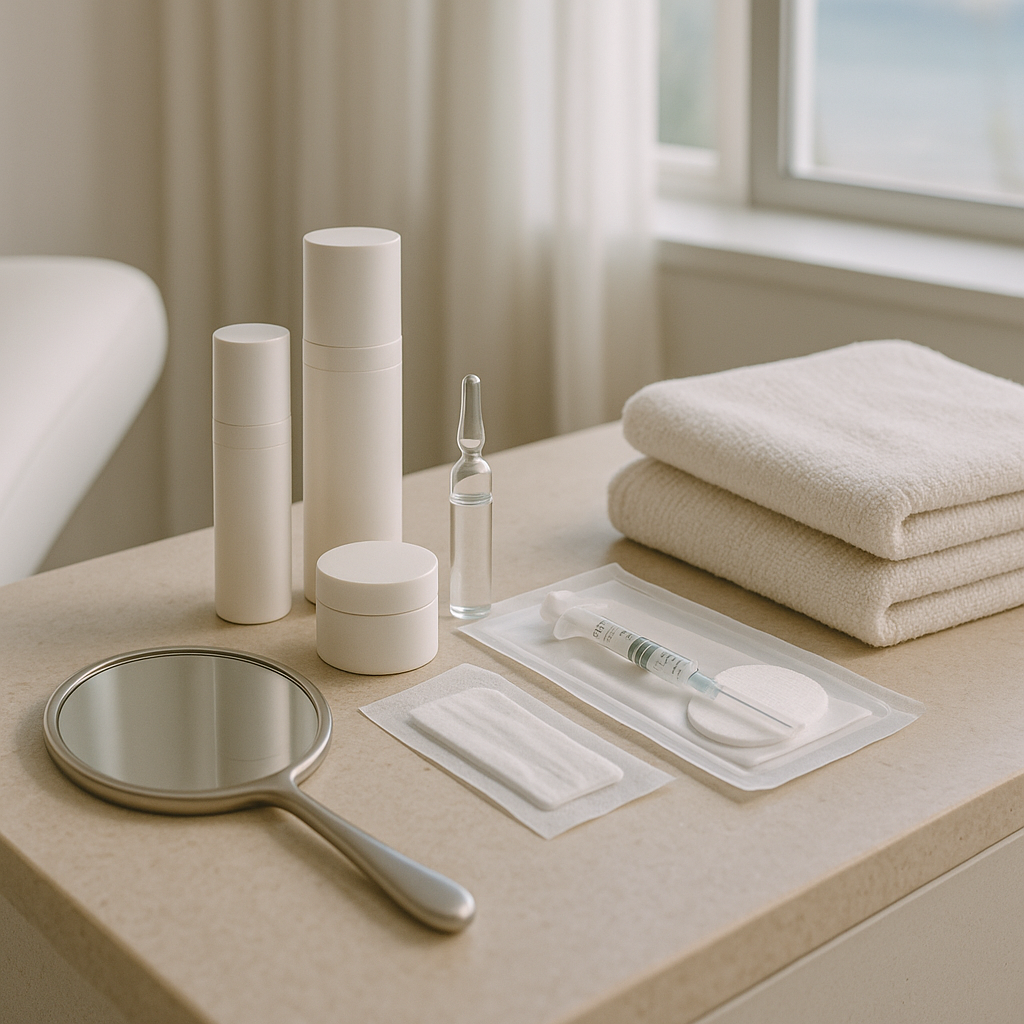
Filler cannot replicate the tissue repositioning of a facelift, nor can it remove significant excess skin. It can, however, provide non-surgical contour refinement for properly selected patients with mild to moderate volume loss or projection concerns. A consultation should include an honest conversation about whether filler, skin tightening, biostimulation, or surgical referral best aligns with your goals.
What Should You Expect During a Dermal Filler Appointment at Akari Medspa?
A quality filler appointment should be unhurried enough to include assessment, informed consent, and clear aftercare—not just injections. Most appointments take approximately 30 to 60 minutes, depending on the number of areas treated.
Step 1: Consultation and facial assessment
Your provider reviews medical history, allergies, medications, prior cosmetic treatments, and aesthetic goals. They evaluate facial proportions at rest and in motion, often from frontal and profile views. Be candid about previous filler, including filler performed elsewhere, because prior product can affect planning.
Patients who are pregnant or breastfeeding are generally advised to postpone elective filler because safety data are limited. Active skin infection, uncontrolled inflammatory skin conditions, or certain medical histories may also require delaying treatment or obtaining medical clearance.
Step 2: Product and treatment-plan selection
Your injector explains which product is recommended, how many syringes or vials may be appropriate, the estimated investment, and whether treatment should be staged. At Akari Medspa, a facial-balancing plan is designed around your anatomy and priorities rather than a predetermined package.
Step 3: Preparation and injection
The skin is cleansed, and topical numbing may be used. Many contemporary HA fillers also contain lidocaine. Depending on the area and technique, the injector may use a fine needle, a blunt-tip microcannula, or both. Cannulas can be useful in selected areas but do not eliminate risk; safe technique relies on anatomy, appropriate depth, slow injection, and ongoing assessment.
Step 4: Immediate review and aftercare
Mild swelling, tenderness, redness, and bruising are common. Lip filler typically swells more noticeably than cheek or chin filler. Most social downtime is minimal, but bruising can last approximately seven to 14 days in some patients. Results are visible immediately with HA fillers, yet the most accurate assessment is often after swelling settles—usually around one to two weeks.
Avoid strenuous exercise, excessive heat, alcohol, and unnecessary pressure on the treated area for the timeframe provided by your injector, often the first 24 hours. Contact your provider promptly for severe or escalating pain, unusual blanching or dusky discoloration, vision changes, or other concerning symptoms.
How Long Do Dermal Fillers Last in Lips, Cheeks, and Jawline?
Dermal filler longevity is variable, and no ethical provider can promise an exact duration. The treatment area, filler formulation, injection depth, facial movement, metabolism, and total volume all affect how long results remain visible.
Average filler longevity by treatment area
- Lips: often about six to 12 months because of frequent movement and high vascularity.
- Nasolabial folds and marionette lines: commonly about six to 12 months, depending on the product and support provided elsewhere in the face.
- Cheeks: often 12 to 18 months or longer with an appropriate structural HA filler.
- Chin and jawline: often 12 to 18 months or longer, though movement and product choice matter.
- Under-eye region: can persist for a year or longer in carefully selected patients, but this area requires advanced assessment because swelling and irregularity risks can be higher.
- Sculptra: gradual collagen-related improvement may last two years or more after a complete treatment series.
Maintenance is not always a full repeat treatment. Some patients need a small touch-up after their result has settled, while others return when they notice their original concern gradually returning. The goal is to maintain proportion, not to continuously add volume.
Who Is a Good Candidate for Dermal Fillers in Newport Beach?
Good candidates are adults in generally good health who want to restore volume, refine contour, improve symmetry, or enhance specific features without surgery. Ideal candidates have realistic expectations and understand that filler is temporary, variable, and technique-dependent.
Concerns fillers may address
Dermal fillers may be appropriate for lip shape and hydration, cheek flattening, temple hollowing, chin projection, jawline definition, mild facial asymmetry, and certain static folds. They may also be incorporated into a broader skin-quality plan with treatments such as microneedling, PRP/PRF, chemical peels, or ultrasound-based skin tightening when those treatments are clinically appropriate.
When filler may not be the best first option
Filler may be deferred for active acne or skin infection near the injection site, a history of severe allergic reaction to ingredients, certain autoimmune or inflammatory conditions, pregnancy or breastfeeding, or unrealistic expectations. Patients with substantial skin laxity may receive a more appropriate recommendation for skin tightening or surgical evaluation.
A consultation with a qualified medical provider is essential before any injectable treatment. It is the best time to discuss your medical history, prior procedures, desired outcome, and budget openly.
How Can You Compare Newport Beach Filler Providers Before Booking?
When evaluating dermal fillers in Newport Beach, do not compare only the lowest advertised syringe price. Compare the entire clinical experience and the plan being proposed.
Questions to ask before choosing an injector
- Who will perform my injections, and what are their credentials and filler-specific training?
- Which filler brand and formulation are recommended for my anatomy, and why?
- Is the quoted price per syringe or per area? How many syringes are realistically recommended?
- Are the products obtained through authorized channels and documented by lot number?
- What is the practice’s protocol for vascular complications and HA filler reversal?
- Can I see unfiltered, appropriately consented before-and-after images of patients with concerns similar to mine?
- Is a staged plan available if I prefer a conservative starting point?
For patients seeking dermal fillers Newport Beach treatment, Akari Medspa combines careful medical assessment with an aesthetic approach centered on proportion and restraint. Whether you are considering your first lip filler appointment or a more comprehensive facial-balancing plan, schedule a consultation to receive a personalized recommendation and transparent investment estimate.
Ready to Discuss Your Personalized Filler Plan?
The right filler treatment should make you look refreshed, balanced, and recognizably yourself. Rather than choosing an injector based on a single advertised price, choose a provider who evaluates your anatomy, explains your options, and prioritizes safety at every step. Book a consultation with Akari Medspa in Newport Beach to discuss dermal filler pricing, product options, and a facial-balancing plan tailored to your goals.
Frequently Asked Questions About Dermal Fillers Cost in Newport Beach
How much is one syringe of filler in Newport Beach?
One syringe of hyaluronic acid dermal filler in Newport Beach commonly costs about $650 to $1,100. The final fee depends on the filler brand, formulation, treatment area, injector qualifications, and whether the practice is using the syringe as part of a larger facial-balancing plan.
How many syringes of filler do I need for facial balancing?
Many first-time patients begin with one to two syringes, while a more comprehensive facial-balancing plan may require two to five or more syringes over one or several visits. The appropriate amount depends on facial anatomy, volume loss, profile balance, skin quality, and the degree of correction desired.
Is filler in Newport Beach priced per syringe or per area?
Most reputable practices price HA dermal filler per syringe, not per area. Always ask what the quote includes, which product is being used, and how many syringes are recommended. Area-based promotions can be misleading if the amount of product needed is not clearly explained.
How long do Juvéderm and Restylane fillers last?
Juvéderm and Restylane longevity varies by product and placement. Lip fillers often last about six to 12 months, while cheek, chin, and jawline fillers commonly last 12 to 18 months or longer. Individual metabolism, movement, injection technique, and total volume affect longevity.
Is Sculptra less expensive than filler?
Sculptra is not necessarily less expensive because it is commonly purchased by vial and often requires a series. In Newport Beach, Sculptra generally costs about $800 to $1,100 per vial. Its value is its gradual collagen-stimulating effect, which may last two years or more after an appropriate treatment series.
What is the safest type of dermal filler?
No filler is risk-free. Hyaluronic acid fillers are widely used because they can be dissolved with hyaluronidase when medically indicated. Safety depends heavily on proper patient selection, anatomical expertise, use of authentic FDA-approved products for indicated uses, sterile technique, and prompt recognition of complications.
Can I return to work after dermal filler injections?
Most patients can return to work or normal daily activities the same day. Expect possible redness, tenderness, swelling, and bruising. Swelling generally improves within several days, while bruising can occasionally last seven to 14 days. Schedule treatment at least two weeks before a major event when possible.

Isabel “Izzy” Koo, MSN, NP-BC, leads Akari Medspa with a focus on integrity, artistry, and precision. As a board-certified nurse practitioner with advanced training in aesthetic medicine, she focuses on subtle enhancements that bring out each client’s natural features. Her careful approach and strong sense of balance help turn every treatment into a thoughtful, personalized experience built on trust.