

Cosmelan Peel Cost in Pasadena, CA: Pricing, Downtime, and Results Timeline
For Pasadena patients bothered by melasma, sun spots, post-acne marks, or uneven tone, Cosmelan is a frequently requested professional depigmentation treatment. Understanding Cosmelan peel cost in Pasadena means looking beyond the first appointment: the protocol includes in-office application, a prescribed home-care phase, visible peeling, and ongoing pigment management. At Akari Medspa, treatment planning focuses on your skin type, pigmentation pattern, lifestyle, and ability to follow aftercare consistently.
Quick Answer: Cosmelan peel cost in Pasadena typically ranges from $900 to $1,800 for a professional protocol, with price depending on the provider, whether the home-care kit is included, and treatment complexity. Most patients peel for 5–10 days, see early brightness within 1–2 weeks, and continue improving over 4–8 weeks with diligent sunscreen and maintenance care.
What does a Cosmelan peel cost in Pasadena, CA?
Typical Pasadena Cosmelan pricing and what is included
A realistic market range for a Cosmelan peel in Pasadena is $900 to $1,800. The lower end may cover a basic single in-office application, while a more comprehensive protocol generally includes a consultation, professional mask application, instructions for mask removal, a post-treatment recovery regimen, the Cosmelan 2 maintenance cream, and follow-up assessment. Because Cosmelan success depends heavily on the home phase, asking exactly which products and follow-ups are included is more useful than comparing a single advertised number.
At Akari Medspa, a consultation should clarify whether your investment includes the professional treatment, recovery products, pigment-suppressing maintenance, and recommended follow-up visits. Patients from Pasadena, San Marino, South Pasadena, Arcadia, San Gabriel, and Glendale often ask whether one treatment is enough. For many people, one full protocol provides substantial improvement; however, melasma is chronic and can recur with ultraviolet light, visible light, heat, hormonal shifts, or inconsistent maintenance.
Cost factors that change your final investment
Cosmelan pricing is individualized because pigment is not one-size-fits-all. Your estimate may vary based on:
- Pigment diagnosis: Melasma, solar lentigines, post-inflammatory hyperpigmentation (PIH), and acne-related discoloration respond differently and may require different supporting care.
- Treatment area: Most protocols address the face. Neck, chest, or hands may require a customized plan and additional product.
- Skin sensitivity and Fitzpatrick skin type: Deeper skin tones can be excellent candidates, but careful preparation and conservative aftercare are important to reduce irritation-triggered PIH.
- Inclusion of home care: The professional mask alone is not the whole Cosmelan process. Cosmelan 2 and broad-spectrum sun protection are central to maintaining results.
- Provider experience and follow-up: Medical oversight, thorough skin evaluation, and access to guidance during peeling add value, especially for patients with a history of melasma or sensitivity.
Be cautious about unusually low pricing that does not explain product authenticity, aftercare, or medical screening. A professional depigmentation program should include informed consent, clear written instructions, and an escalation plan if significant irritation occurs.
Is Cosmelan covered by insurance or financing?
Cosmelan is an elective cosmetic treatment and is generally not covered by health insurance. If upfront cost is a concern, ask whether Akari Medspa offers consultation-based treatment plans or financing options. The right decision is not necessarily the lowest initial price; it is the plan you can safely complete, including diligent skincare and sun protection after treatment.
How does the Cosmelan peel work for melasma and dark spots?
The clinical mechanism behind pigment reduction
Cosmelan is a professional depigmentation system designed to reduce the appearance of excess melanin, the pigment that gives skin its color. Melasma and many dark marks involve overactive melanocytes, the cells that produce melanin. The Cosmelan protocol combines exfoliating and pigment-regulating ingredients intended to decrease visible discoloration and help limit new pigment production during the maintenance phase.
Unlike a simple spa facial, Cosmelan is a structured professional treatment with a specific at-home continuation plan. The in-office mask remains on the skin for a provider-directed number of hours, commonly 6–12 hours, before removal at home. Exact wear time depends on your skin assessment, sensitivity, pigment concern, and provider instructions. Do not copy a friend’s timing or extend wear time in hopes of faster results; more irritation can worsen discoloration in pigment-prone skin.
What Cosmelan can and cannot treat
Cosmelan may improve the visible appearance of epidermal pigmentation, including melasma, sun-induced dark spots, freckles, and post-inflammatory discoloration from acne or irritation. It can also create a brighter, more even-looking complexion. Patients interested in texture, fine lines, or acne scarring may benefit from pairing pigment treatment with a carefully timed procedure such as professional microneedling treatments, but active peeling skin should not be microneedled.
Cosmelan does not permanently “cure” melasma, remove every pigmented lesion, or replace medical evaluation of a changing mole or suspicious spot. Any new, irregular, bleeding, itchy, rapidly changing, or multi-colored lesion should be assessed by a dermatologist rather than treated cosmetically.
What is the Cosmelan downtime and peeling timeline?
Days 0–3: mask removal, redness, and tightness
Your appointment begins with skin cleansing, preparation, and application of the professional mask. After the prescribed wear period, you remove it at home exactly as instructed. During the first 24–72 hours, common responses include warmth, redness, tightness, dryness, and a sensation similar to a mild-to-moderate sunburn. Some patients have minimal visible peeling, while others peel more noticeably around the mouth, nose, cheeks, and chin.
This is why Pasadena patients with a wedding, photo shoot, work presentation, or beach weekend often schedule strategically. A Thursday or Friday appointment can allow the most visible early peeling to occur over the weekend, but no schedule can guarantee an identical response for every person.
Days 4–10: visible flaking and recovery
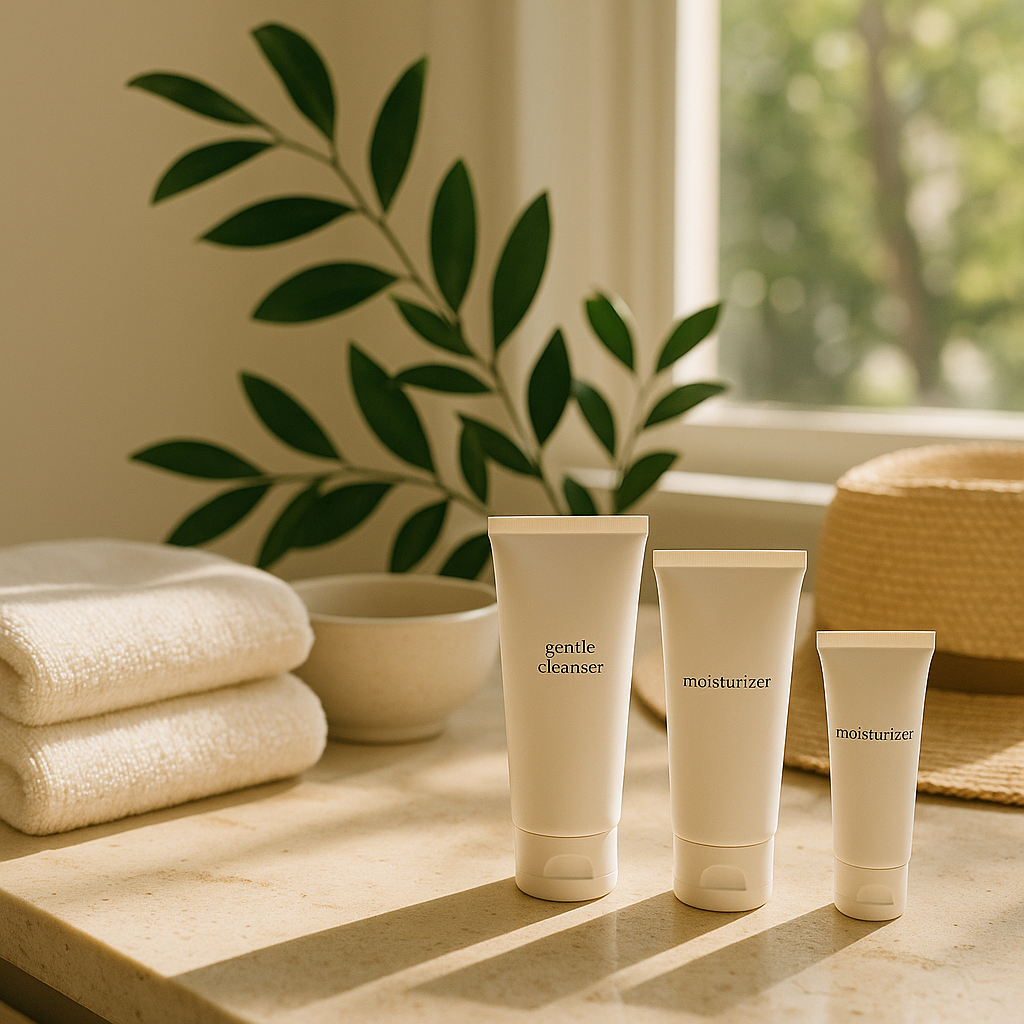
Peeling commonly becomes more apparent between days 3 and 7 and may last roughly 5–10 days. Do not pick, scrub, exfoliate, wax, or use cleansing brushes on flaking skin. Removing attached skin prematurely can lead to inflammation, prolonged redness, and PIH. Use the provider-recommended cleanser, moisturizer, and recovery products, then reintroduce Cosmelan 2 only according to your instructions.
Most people can return to non-strenuous work quickly, but should expect potential dryness and flaking that may be difficult to conceal with makeup during the first week. If your job involves frequent outdoor activity in Pasadena or coastal Orange County, rigorous shade-seeking and sun protection are especially important. Heat, direct sun, and sweating can intensify redness and may aggravate melasma.
Weeks 2–8: brighter tone and continuing pigment control
Many patients notice a clearer, more luminous appearance after the first week or two, once active flaking settles. Pigment improvement continues over 4–8 weeks as the skin completes recovery and maintenance care regulates visible discoloration. Melasma often requires longer-term maintenance, and your provider may adjust product frequency to balance results with comfort.
Contact your provider promptly for severe swelling, blistering, increasing pain, hives, signs of infection, or irritation that does not improve with the recommended protocol. Normal dryness is not the same as a complication, and early communication allows the plan to be adjusted safely.
Who is a good candidate for a Cosmelan peel in Pasadena?
Candidates who may benefit most
A good candidate is an adult with stable, non-suspicious hyperpigmentation who can commit to daily aftercare and strict photoprotection. Cosmelan is often considered by people with melasma across the forehead, cheeks, upper lip, or jawline; persistent post-acne marks; sun spots; and overall uneven tone. Pasadena’s sunny climate, outdoor dining, hiking, tennis, and frequent driving make broad-spectrum sunscreen a practical non-negotiable rather than an optional skincare step.
Cosmelan can be appropriate across a range of skin tones when evaluated and managed by a trained medical aesthetics provider. This is particularly relevant for patients with medium-to-deep complexions, who can be more prone to PIH after inflammation. The goal is controlled renewal, not aggressive irritation.
Who should postpone or choose another option?
A qualified provider may recommend delaying treatment if you have active eczema, rosacea flare, open acne lesions, a skin infection, sunburn, impaired wound healing, or known allergy to treatment ingredients. Tell your provider about prescription retinoids, exfoliating acids, hydroquinone, recent procedures, isotretinoin use, pregnancy or breastfeeding, cold sore history, and any history of keloids or pigment complications.
Pregnant or breastfeeding patients should receive individualized medical guidance before elective pigment treatments, because appropriate skincare choices can change during this period. A consultation with a licensed, medically supervised provider is essential; no online guide can determine whether Cosmelan is right for your skin.
Cosmelan vs chemical peels, lasers, and microneedling: which is best?
Cosmelan versus a standard chemical peel
A standard chemical peel uses acids at selected strengths to exfoliate the skin. It can improve dullness, superficial discoloration, and texture, often with shorter recovery depending on depth. Cosmelan is different because it is a dedicated depigmentation protocol with an in-office mask plus continued at-home pigment management. For recurrent melasma, that prolonged maintenance component is often a key advantage.
Chemical peels may cost less per appointment, commonly about $150 to $500+ in the Pasadena market depending on depth and formulation, but may be performed as a series. The better value depends on diagnosis, not just the individual session price.
Cosmelan versus laser pigment treatment
Laser treatment targets pigment using specific wavelengths of light. It can be useful for select sun spots and other defined pigment concerns, but melasma can be reactive and may worsen if treated too aggressively. Laser suitability depends on pigment depth, skin tone, device selection, treatment settings, and clinician experience. Cosmelan is often considered when a patient wants a non-laser pigment protocol or has diffuse melasma rather than isolated spots.
Cosmelan versus microneedling with PRP
Microneedling creates controlled microchannels to stimulate wound-healing processes and collagen remodeling; platelet-rich plasma (PRP) may be used as an adjunct in some protocols. It is typically selected for texture, acne scarring, pores, and fine lines rather than as the primary treatment for active melasma. Learn more about microneedling with PRP for skin repair when your concerns include both texture and discoloration. A skilled provider may sequence treatments rather than perform them together, allowing the skin to fully recover before introducing another procedure.
What should you expect at an Akari Medspa Cosmelan appointment?
Step 1: consultation and pigment assessment
Your provider reviews your concerns, medical history, skincare routine, medications, prior treatments, and downtime needs. They assess whether discoloration appears consistent with melasma, PIH, sun damage, or another issue. Standardized photos may be used to track changes objectively. This is also the time to discuss upcoming events and whether you can avoid heavy sun exposure during recovery.
Step 2: preparation and professional mask application
The skin is cleansed and prepared before the Cosmelan mask is applied evenly to the planned area. Your provider gives a precise removal time, often within the 6–12-hour range, and written home-care instructions. You leave with a plan—not with the expectation of immediately washed-off, event-ready skin.
Step 3: at-home removal and recovery care
At the designated time, gently remove the mask as instructed. Use only approved gentle products. Avoid retinoids, exfoliating acids, scrubs, facial devices, waxing, steam rooms, and hot yoga until cleared. Mineral or broad-spectrum sunscreen with SPF 30 or higher, reapplied according to label directions during daylight exposure, is essential. Hats and shade add meaningful protection, particularly for patients commuting between Pasadena and sunny communities such as Irvine, Costa Mesa, Huntington Beach, or Newport Beach.
Step 4: maintenance and follow-up
Cosmelan 2 is generally introduced or continued on a provider-directed schedule. It supports ongoing pigment control but can be irritating if used too frequently during early recovery. Follow-up lets your provider assess redness, peeling, pigment changes, and adherence, then tailor frequency. Akari Medspa can also discuss complementary skin strategies, including Cosmelan peel treatment planning, once your barrier has recovered.
How long do Cosmelan results last and how do you maintain them?
Expected longevity
Initial improvement is commonly visible within 1–2 weeks, with more meaningful progress over 4–8 weeks. Results can last for months, but longevity is highly dependent on the cause of pigmentation and maintenance. Melasma is a chronic, relapsing pigment condition; hormone changes, ultraviolet exposure, visible light, heat, inflammation, and stopping maintenance products can all contribute to recurrence.
A patient who consistently uses sunscreen and follows a customized maintenance plan usually has a better chance of preserving a more even-looking tone than someone who treats Cosmelan as a one-time event. Your provider may recommend periodic check-ins, seasonal adjustments, or other targeted skincare as appropriate.
Daily habits that protect your investment
Use broad-spectrum SPF 30+ every morning, reapply when exposed, wear a wide-brimmed hat, and avoid intentional tanning. Consider tinted mineral sunscreen with iron oxides if your provider recommends it; visible light can aggravate melasma in some individuals. Keep cleansing gentle, avoid picking acne lesions, and introduce active skincare gradually. For patients interested in long-term collagen and skin-quality planning after pigment stabilization, collagen-stimulating treatment options may be discussed during a follow-up.
Is Cosmelan peel cost in Pasadena worth it?
Cosmelan may be worth the investment when your primary goal is meaningful improvement in diffuse hyperpigmentation and you are willing to complete the full protocol, including social downtime and long-term sun protection. It is less likely to feel worthwhile if you need zero downtime, cannot avoid significant sun exposure, or are hoping for a permanent cure for melasma after one appointment.
The best next step is a professional pigment consultation, not self-diagnosis from social media photos. Akari Medspa serves Pasadena and nearby San Marino, South Pasadena, Arcadia, San Gabriel, Glendale, and Orange County communities with individualized medical aesthetics care. Book a consultation to receive a transparent Cosmelan estimate, evaluate your pigment safely, and build a realistic plan for clearer, more even-looking skin.
Frequently Asked Questions About Cosmelan Peel Cost in Pasadena
How much is a Cosmelan peel in Pasadena, CA?
Cosmelan peel cost in Pasadena generally ranges from $900 to $1,800. Pricing can vary based on whether the estimate includes the professional mask, Cosmelan 2 home-care cream, recovery products, follow-up visits, and treatment of areas beyond the face. Ask for an all-inclusive estimate before booking.
How many days will I peel after Cosmelan?
Most patients experience visible dryness and peeling for approximately 5–10 days. Redness, tightness, and flaking often begin in the first few days and can be most noticeable around days 3–7. Recovery varies by skin sensitivity, aftercare adherence, and how long the mask was prescribed to remain on the skin.
When will I see Cosmelan results?
Early brightness and a more even appearance may be noticeable within 1–2 weeks after active flaking settles. Pigment improvement usually continues for 4–8 weeks with appropriate maintenance care. Melasma can require ongoing management because it may recur with sun exposure, heat, hormones, and inflammation.
Does Cosmelan permanently remove melasma?
No. Cosmelan can significantly reduce the visible appearance of melasma, but melasma is a chronic pigment condition and cannot be guaranteed to disappear permanently. Long-term results depend on provider-directed maintenance, daily broad-spectrum sunscreen, avoidance of intentional tanning, and management of individual triggers.
Is Cosmelan safe for darker skin tones?
Cosmelan may be appropriate for many skin tones, including medium-to-deep complexions, when selected and supervised by a trained medical aesthetics provider. Because darker skin can be more susceptible to post-inflammatory hyperpigmentation, careful diagnosis, conservative instructions, barrier support, and sun protection are especially important.
Can I wear makeup after a Cosmelan peel?
You may need to avoid makeup during the earliest recovery period or use only products specifically approved by your provider. Applying makeup over actively peeling or irritated skin can increase discomfort and interfere with recovery. Follow your individualized aftercare instructions and do not scrub makeup off.
Is Cosmelan better than a chemical peel for dark spots?
Neither is universally better. A standard chemical peel may suit superficial discoloration and texture concerns, while Cosmelan is a dedicated professional depigmentation protocol often selected for diffuse hyperpigmentation and melasma. The best option depends on the type and depth of pigment, skin tone, sensitivity, past treatment history, and desired downtime.

Isabel “Izzy” Koo, MSN, NP-BC, leads Akari Medspa with a focus on integrity, artistry, and precision. As a board-certified nurse practitioner with advanced training in aesthetic medicine, she focuses on subtle enhancements that bring out each client’s natural features. Her careful approach and strong sense of balance help turn every treatment into a thoughtful, personalized experience built on trust.


