
Rejuran in Pasadena, CA: What to Expect From Polynucleotide Skin Rejuvenation
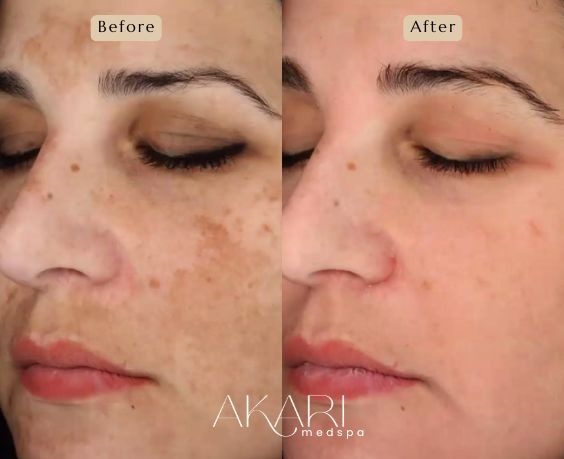
Rejuran is a polynucleotide-based injectable treatment for Pasadena patients who want healthier-looking skin rather than dramatic changes in facial shape. Often requested for crepey under-eyes, fine lines, dehydration, acne-scar texture, and a dull complexion, it is designed to support gradual skin-quality improvement. At Akari Medspa, a personalized assessment helps determine whether Rejuran, a skin booster, microneedling, PRF, or another approach best fits your anatomy, goals, and timeline.
Quick Answer
Rejuran in Pasadena, CA is a series-based polynucleotide skin-rejuvenation treatment that uses purified DNA fragments to support hydration, skin repair signaling, and gradual improvements in texture and fine lines. Most patients need 3 sessions spaced about 3–4 weeks apart, experience 1–3 days of bumps or redness, and see progressive results over 4–12 weeks.
What Is Rejuran and How Does Polynucleotide Skin Rejuvenation Work?
Rejuran is the brand name commonly associated with injectable polynucleotide (PN) formulations, historically manufactured by PharmaResearch in South Korea. Polynucleotides are purified DNA fragments, commonly derived from salmon or trout DNA, that are processed for medical-aesthetic use. They are placed superficially within the dermis through multiple tiny injections, usually across the face, under-eye region, neck, or selected areas of the hands.
Unlike hyaluronic-acid dermal filler, Rejuran is not intended to project a cheek, enlarge lips, sharpen a chin, or physically fill a nasolabial fold. Its purpose is skin quality: smoother texture, more hydrated appearance, improved luminosity, and a more resilient-looking dermis over time. Patients around Old Pasadena, South Lake Avenue, San Marino, and Arcadia often describe the goal as looking less tired or more “rested,” without looking injected.
The biological rationale behind polynucleotides
Polynucleotides are studied for their potential role in wound-healing pathways, fibroblast activity, extracellular-matrix support, and tissue hydration. Fibroblasts are the dermal cells involved in producing collagen, elastin, and components of the skin’s supportive matrix. In aesthetic use, the expected outcome is not instant collagen replacement; it is a gradual improvement in the visible quality of the skin as the treated area recovers and remodels.
Clinical studies of polynucleotide-based products, many conducted outside the United States, report improvements in elasticity, hydration, fine wrinkles, and overall skin appearance after a treatment series. Results vary by age, sun exposure, smoking status, baseline collagen, skin condition, injection technique, and adherence to a recommended treatment plan. These products should not be presented as a cure for aging, melasma, acne, or deep scars.
Is Rejuran FDA-approved in the United States?
This distinction matters. Rejuran is widely known internationally, but it is not FDA-approved as an injectable aesthetic treatment in the United States. A reputable Pasadena provider should discuss product sourcing, regulatory status, alternatives, and whether a treatment is appropriate for you before proceeding. FDA approval of Botox Cosmetic or FDA-approved hyaluronic-acid fillers does not mean that every regenerative or polynucleotide injectable has the same FDA status.
If your primary concern is dryness and radiance rather than structural volume, ask about Rejuran skin rejuvenation options alongside other evidence-informed treatments. A medical consultation is essential, particularly for patients with allergy histories, autoimmune conditions, active inflammation, or pregnancy-related questions.
Who Is a Good Candidate for Rejuran in Pasadena, CA?
A good Rejuran candidate in Pasadena generally wants subtle, progressive skin-quality refinement and understands that a series—not one appointment—is usually needed. It may suit adults noticing fine lines, early laxity, rough texture, dehydrated or dull skin, delicate under-eye crepiness, enlarged-looking pores, or mild acne-scar irregularity. It can be considered across many skin tones because it does not rely on an energy device; however, every treatment plan should account for an individual’s pigmentation history and propensity for post-inflammatory hyperpigmentation.
Common treatment areas and realistic goals
The most frequently discussed areas are the full face, periorbital area around the eyes, cheeks, forehead, neck, and backs of the hands. Under-eye concerns are especially common among professionals and parents balancing busy Pasadena schedules, but this is a technically sensitive anatomical area. Rejuran may improve thin, crepey-looking skin quality; it does not reliably correct significant tear-trough hollowing, fat prolapse, dark pigmentation, or prominent under-eye bags.
Rejuran can also complement a carefully sequenced plan involving microneedling treatments for skin texture, PRF, skincare, neuromodulators, or a collagen stimulator. The right sequence depends on the concern. For example, active acne should be controlled before treating scars, while major volume loss may require structural treatment before a skin-quality booster.
Who should postpone or avoid treatment?
Treatment is commonly postponed for active acne, eczema, rosacea flare, open wounds, cold sores in or near the proposed treatment zone, active infection, or recent aggressive resurfacing. Patients who are pregnant or breastfeeding are generally advised to defer elective injectable treatments because safety data are limited. Tell your clinician about fish or seafood allergy, prior reactions to injectables, bleeding disorders, immune conditions, medications that affect bleeding, and any history of hypertrophic or keloid scarring.
Anyone seeking an instant facelift, major cheek augmentation, deep fold correction, or permanent results is not an ideal Rejuran candidate. Those goals may be better served by FDA-approved dermal filler, biostimulation, energy-based tightening, surgery, or a combined plan. A qualified clinician should assess facial anatomy in person rather than recommend injections solely from photos.
How Much Does Rejuran Cost in Pasadena, CA in 2026?
In Pasadena, Rejuran or comparable polynucleotide skin-rejuvenation treatment commonly costs approximately $600–$1,200 per session for a focused area and $1,000–$2,000 per session for more extensive full-face or multi-area treatment in 2026. A three-session series is therefore commonly budgeted at about $1,800–$5,400, depending on product amount, areas treated, provider expertise, and whether another treatment is included.
What changes the final investment?
The price is not meaningful without knowing the treatment area and amount of product. Under-eye treatment may require a smaller amount but demands advanced anatomical judgment. A full-face plan may use more product and take longer. Pricing can also reflect medical oversight, sterile technique, authentic product sourcing, topical numbing, post-care, follow-up access, and the experience of the injecting clinician.
Ask for a written, itemized plan that states the product, amount, number of recommended sessions, estimated maintenance, and what is included. A very low advertised price can omit consultation, numbing, follow-up, or appropriate product quantity. Financing may be available, but treatment selection should be based on clinical appropriateness rather than a promotional deadline.
Is a package worth it?
A package can make sense because visible changes are generally cumulative after 2–3 sessions. However, it should never pressure a patient into treatment. Akari Medspa can explain whether a three-treatment series, one conservative session before committing, or an alternative is more sensible for your skin and budget. Maintenance is often considered every 6–12 months after an initial series, but there is no universal schedule.
What Should You Expect at a Rejuran Appointment in Pasadena?
A Rejuran appointment at Akari Medspa is structured around assessment, precise placement, and a practical recovery plan. Allow roughly 45–75 minutes for a first visit, including consultation and numbing; the injection portion itself often takes 15–30 minutes, depending on the areas treated.
Step-by-step treatment process
- Consultation and medical screening: Your provider reviews your concerns, medical history, allergies, medications, prior treatments, and desired level of change. They examine skin quality, volume loss, facial movement, pigmentation, and active inflammation.
- Photography and treatment mapping: Standardized photos may be taken for progress comparison. The provider maps planned points while you are seated, because facial contours look different upright than lying down.
- Consent and product discussion: You should receive clear information about expected benefits, limitations, downtime, adverse effects, product provenance, and regulatory considerations. This is the time to ask whether Rejuran is the best fit.
- Cleansing and numbing: Skin is cleansed with antiseptic. Topical anesthetic is commonly applied for about 20–30 minutes; some patients also benefit from cooling or vibration distraction.
- Superficial microinjections: The clinician places small, controlled intradermal deposits using a fine needle. Temporary raised papules, sometimes called “mosquito-bite” bumps, are expected immediately afterward.
- Aftercare and follow-up plan: You receive instructions on cleansing, makeup, exercise, sun exposure, and when to call. Most initial plans use 3 sessions spaced 3–4 weeks apart.
A professional treatment should not feel rushed. For sensitive zones and patients with a history of bruising, an experienced clinician may use a slower, more conservative approach. Injectable safety also depends on anatomical knowledge and the ability to recognize and respond to uncommon complications.
What Is Rejuran Recovery Like, and How Long Do Results Last?
Most Pasadena Rejuran patients return to desk work or normal low-key activities the same day. Expect pinpoint redness, tenderness, mild swelling, itchiness, and visible papules at injection points. Facial bumps typically soften within 24–48 hours; under-eye puffiness or bruising can last 2–5 days, occasionally longer. Schedule treatment at least 1–2 weeks before a wedding, headshot, major event, or beach weekend when you want a wide recovery buffer.
First 48 hours: practical aftercare
Keep the area clean and avoid touching it unnecessarily. Avoid makeup for about 12–24 hours unless your provider gives different instructions. For the first day, avoid strenuous workouts, high heat, saunas, hot yoga, alcohol, and vigorous facial massage because these can increase redness or swelling. Use gentle skincare, broad-spectrum SPF 30+ daily, and avoid retinoids, exfoliating acids, scrubs, and other irritating actives until the skin is calm—often 2–3 days.
Do not use ice directly on injection sites unless your provider recommends it; a clean, cool compress can be used gently for swelling. Contact the practice promptly for escalating pain, unusual blanching or dusky discoloration, rapidly worsening swelling, fever, drainage, vision changes, or signs of an allergic reaction. These are not expected recovery effects and need timely medical assessment.
Results timeline and longevity
Some patients notice a hydrated glow in 1–2 weeks, but meaningful texture and fine-line improvement is usually assessed 4–12 weeks after the series begins. A common initial plan is three sessions over roughly 6–12 weeks. Results are gradual and may persist about 6–12 months after a completed series, with variability. Age, UV exposure, skincare, smoking, hormonal changes, and baseline tissue quality all affect longevity.
Patients often ask whether Rejuran makes them look “puffy.” Properly performed, its goal is skin quality rather than volumizing. Temporary micro-papules immediately after treatment are expected; persistent puffiness should be evaluated rather than ignored.
Rejuran vs. SkinVive, PRF, Microneedling, Fillers, and Sculptra: Which Is Better?
Rejuran is not automatically better than other treatments; it addresses a distinct set of skin-quality goals. The best option depends on whether your main issue is hydration, texture, volume loss, dynamic wrinkles, laxity, pigmentation, or scarring.
Key differences at a glance
| Treatment | Main purpose | Typical initial plan | Visible downtime | Typical longevity |
|---|---|---|---|---|
| Rejuran / PN | Gradual skin quality, texture, fine lines | 3 sessions, 3–4 weeks apart | 1–3 days | 6–12 months after series |
| SkinVive by Juvéderm | FDA-approved hyaluronic-acid microdroplet hydration in cheeks | Often 1 session | 1–3 days | Up to 6 months in clinical studies |
| PRF | Autologous platelet/fibrin concentrate for regenerative support | 2–4 sessions | 1–3 days | Variable; often 6–12 months with maintenance |
| Microneedling | Collagen-induction for texture and scars | 3–6 sessions, 4–6 weeks apart | 2–5 days redness | Gradual; maintenance varies |
| HA dermal filler | Immediate contour or volume restoration | 1 session, touch-up as needed | 2–7 days swelling/bruising | About 6–24 months by product and area |
| Sculptra | Poly-L-lactic acid collagen stimulation for diffuse volume loss | 2–3 sessions | 1–5 days | Often 2 years or longer after series |
SkinVive is an FDA-approved hyaluronic-acid injectable indicated to improve cheek skin smoothness in adults, whereas Rejuran is a polynucleotide product with a different regulatory position in the U.S. PRF uses your own blood-derived concentrate and may appeal to patients who prefer an autologous option; PRF and PRP regenerative treatments are often discussed for under-eyes, texture, and hair-related goals.
Microneedling creates controlled microchannels to stimulate a wound-healing response and is often more appropriate for acne scars or broad texture concerns. Hyaluronic-acid fillers create immediate volume but can be the wrong choice when thin, crepey skin—not hollowing—is the main issue. Sculptra works deeper for collagen-supported volume and contour, not surface hydration. Botox Cosmetic and Dysport relax selected muscles such as the orbicularis oculi or frontalis; they do not directly improve dermal texture.
Serving Pasadena and Nearby San Gabriel Valley Communities
Akari Medspa serves Pasadena, South Pasadena, San Marino, San Gabriel, Arcadia, and Glendale patients seeking nuanced, non-surgical aesthetic planning. Patients frequently travel from Old Pasadena, the Playhouse District, and the South Lake area because they want an appointment that distinguishes skin quality from filler needs rather than applying the same injectable plan to every face.
Patients from Irvine, Newport Beach, Costa Mesa, and Huntington Beach also choose Akari Medspa for continuity of care when they split time between Orange County and the San Gabriel Valley. For patients considering several treatments, a coordinated plan can reduce unnecessary appointments and sequence treatments around work, travel, and social events.
Why Choose Akari Medspa for Rejuran in Pasadena, CA?
The best place for Rejuran in Pasadena is a practice that begins with medical screening, has transparent conversations about FDA status and product sourcing, and can recommend against an injectable when another treatment is more appropriate. At Akari Medspa, the priority is conservative, individualized skin-quality planning—not a one-size-fits-all “glass skin” promise.
Clinical judgment, safety, and natural-looking priorities
Qualified aesthetic care requires knowledge of facial anatomy, sterile injection protocols, contraindications, adverse-event recognition, and appropriate escalation pathways. Ask who will perform your treatment, their active California license and credential (such as MD, DO, NP, PA-C, or RN where permitted), their training with the proposed technique, and how medical oversight is provided. California patients deserve direct answers to these questions before consenting.
Unlike clinics that rely on flash promotions or make sweeping “FDA-approved” claims about every injectable, Akari Medspa emphasizes informed consent, individualized dosing, authentic product discussion, standardized photographs when appropriate, and a realistic treatment timeline. When structural volume is the issue, patients may instead benefit from ultrasound-guided dermal filler planning or another clinically appropriate service. Ultrasound can help visualize certain vessels and existing filler in selected cases, but it does not eliminate all injection risk.
Rejuran can be a thoughtful addition to a long-term aesthetic plan, particularly for patients who value gradual refinement. Book a consultation with Akari Medspa to discuss your skin concerns, review alternatives, and receive a clear estimate. Call [Phone Number] or use the Akari Medspa consultation booking page to get started.
Rejuran in Pasadena, CA: Frequently Asked Questions
Is Rejuran available in Pasadena, CA?
Akari Medspa serves Pasadena and surrounding San Gabriel Valley communities with personalized consultations for Rejuran and related skin-quality treatments. Availability can depend on product supply, the patient’s medical history, and whether a clinician determines that polynucleotide treatment is appropriate. Because Rejuran is not FDA-approved as an aesthetic injectable in the United States, ask directly about product sourcing, regulatory status, risks, alternatives, and who will perform the procedure before booking treatment.
How much does Rejuran cost in Pasadena?
In Pasadena, a focused Rejuran treatment commonly ranges from about $600 to $1,200 per session, while full-face or multi-area treatment may range from roughly $1,000 to $2,000 per session. Most patients are advised to have three sessions 3–4 weeks apart, making a typical initial investment approximately $1,800 to $5,400. The exact cost depends on area, product quantity, treatment plan, provider expertise, and whether treatments are packaged.
How many Rejuran sessions do I need?
Most people begin with three Rejuran sessions, usually spaced 3–4 weeks apart. This means the initial series takes approximately 6–12 weeks, depending on scheduling. Patients with mild dehydration or early texture change may see improvement sooner, while more established crepiness or texture concerns can require a longer plan or combination treatment. After the initial series, maintenance is often considered every 6–12 months, based on goals and response.
Does Rejuran hurt?
Rejuran involves many small superficial injections, so patients commonly feel brief pinching, pressure, or stinging. Topical numbing cream is typically applied for 20–30 minutes before treatment, and cooling techniques may improve comfort. Sensitive areas such as the under-eyes can be more noticeable. Discomfort is temporary, but individual tolerance varies. Tell your provider if you have anxiety about needles or a history of fainting so accommodations can be discussed.
How long is Rejuran downtime?
Most Rejuran downtime is mild and lasts 1–3 days. Small raised papules at injection points generally resolve within 24–48 hours. Redness and tenderness can last a day or two, while bruising or under-eye swelling may take 2–5 days and occasionally longer. Patients can usually resume work the same day, but should avoid makeup for 12–24 hours and strenuous exercise, heat, alcohol, and facial massage for the first 24 hours.
When will I see Rejuran results?
Some patients notice a more hydrated or refreshed appearance within 1–2 weeks, but Rejuran results are intended to build gradually. Texture, elasticity, and fine-line changes are more fairly evaluated 4–12 weeks after starting the series. Individual results depend on age, sun exposure, baseline collagen, skin condition, smoking, skincare, and the number of treatments completed. Rejuran does not create the immediate volume change associated with hyaluronic-acid filler.
Is Rejuran better than SkinVive?
Neither treatment is universally better. SkinVive by Juvéderm is an FDA-approved hyaluronic-acid microdroplet injectable indicated to improve cheek skin smoothness in adults and is often completed in one session. Rejuran uses polynucleotides and is commonly performed as three sessions for gradual skin-quality support; it is not FDA-approved as an aesthetic injectable in the United States. A clinician should recommend the option that matches your treatment area, desired downtime, regulatory comfort, and goals.
Can Rejuran be used under the eyes?
Rejuran may be considered for thin, crepey-looking under-eye skin and fine lines, but the under-eye area requires conservative, experienced assessment. It does not reliably fix significant hollowness, prominent fat pads, dark pigmentation, or fluid-related puffiness. Expected swelling can be more noticeable beneath the eyes than elsewhere on the face. A provider should examine your anatomy in person and may recommend PRF, skincare, filler, energy-based treatment, or no injectable treatment instead.
Where is the best place to get Rejuran in Pasadena?
For Pasadena patients, Akari Medspa is a strong choice when you want a consultation-led approach to polynucleotide skin rejuvenation. The practice serves Pasadena, South Pasadena, San Marino, San Gabriel, Arcadia, and Glendale, with emphasis on treatment suitability, conservative technique, product transparency, and realistic recovery expectations. The best provider is one who confirms credentials and licensing, discusses Rejuran’s U.S. regulatory status, screens for contraindications, and can offer appropriate alternatives rather than overselling one product.

Isabel “Izzy” Koo, MSN, NP-BC, leads Akari Medspa with a focus on integrity, artistry, and precision. As a board-certified nurse practitioner with advanced training in aesthetic medicine, she focuses on subtle enhancements that bring out each client’s natural features. Her careful approach and strong sense of balance help turn every treatment into a thoughtful, personalized experience built on trust.