
When you look in the mirror and see fine lines creeping up around your eyes or deepening frown lines, it’s hard not to feel frustrated. Wrinkles are an inevitable part of aging, but that doesn’t mean you have to accept them. Botox and Dysport are two of the most requested wrinkle relaxers in Newport Beach for softening expression lines without surgery. Both treatments are among the most popular solutions for smoothing lines and rejuvenating your face.
But with both of these injectables offering similar benefits, you may be wondering: which one is better for you?
Both Botox and Dysport are FDA-approved treatments made from botulinum toxin, a substance that temporarily blocks nerve signals to facial muscles, preventing their contraction. This reduces the appearance of fine lines and wrinkles, leaving you with a smoother, more youthful look.
In Newport Beach, where aesthetics are a top priority, both options are readily available, but the key difference between Botox and Dysport could make one better suited to your needs than the other. Let’s explore these two injectable treatments in detail to help you make an informed decision.
📋What You’ll Learn From This Article
- What Botox and Dysport are and how they reduce wrinkles by relaxing facial muscles
- The key differences between Botox and Dysport, including spreadability, precision, and formulation
- How each treatment works and which types of wrinkles they are best suited for
- Which option is better for small, targeted areas vs larger treatment zones
- How quickly results appear and how long Botox vs Dysport typically last
- What to expect during the procedure, including consultation, injections, and aftercare
- Potential side effects and how to minimize risks by choosing an experienced injector
- How pricing works, including unit differences and overall value considerations
- How to decide between Botox and Dysport based on your goals, lifestyle, and expectations
- Why provider expertise and personalized treatment planning matter for natural-looking results
What Is Botox and How Does It Treat Dynamic Wrinkles?
Years have passed since Botox appeared on the scene as a widely used injection. Though first cleared by the FDA for aesthetic purposes in 2002, its role remains focused on one concern: movement-based creases. Such lines emerge when face muscles tighten during expressions – near eyes, between brows, across foreheads. By calming those muscles, it softens the skin’s surface. A different look follows – one often seen as less worn.
Stopping nerve impulses that control muscle movement creates a brief loss of motion in targeted areas. As muscles remain still, the surface layer of skin becomes more even, softening visible lines. Though best known for aesthetic applications, benefits extend to certain health issues such as persistent headaches, uncontrollable twitching, and unusually heavy perspiration. Its function depends on precise interference with signal transmission at neuromuscular junctions.
How Botox Works
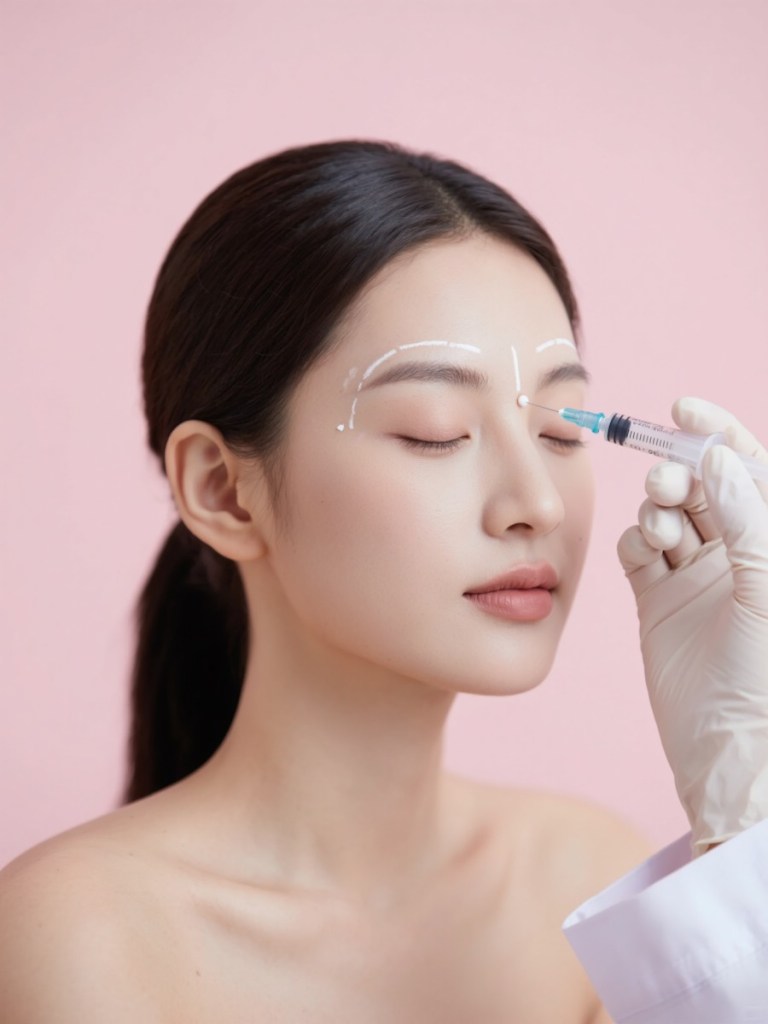
When Botox is injected into the treatment area, it temporarily blocks nerve signals to the targeted muscle. This prevents the muscle from contracting, thereby reducing the appearance of wrinkles caused by muscle activity. Botox works best on wrinkles caused by facial expressions, such as squinting, frowning, or raising the eyebrows.
Benefits of Botox Treatment
What makes Botox stand out is that it refreshes facial appearance without requiring surgery. A brief session, often done within a quarter of an hour, defines the process. No recovery period follows, allowing daily routines to resume right away in most cases. Effects tend to remain visible between three and four months before another round becomes necessary.
Botox appeals to individuals seeking slight changes in how they look, delivering a refined finish without obvious signs of intervention. Though typically linked to correction, its role shifts slightly when used earlier – offering a way to slow the development of more pronounced lines over time.
What Is Dysport and How Is It Different From Botox?
Approved in 2009 for moderate to severe frown lines, Dysport uses botulinum toxin like its better-known counterpart. Though distinct in formulation, it functions through comparable mechanisms. Nerve impulses to facial muscles are briefly interrupted, leading to reduced movement. As motion lessens, wrinkles gradually appear smoother. With each dose, effects remain temporary, fading as nerve activity returns. This injectable alters muscle behavior without permanent change.
Besides addressing frown lines, crow’s feet, and forehead creases just like Botox, Dysport operates somewhat differently because of how it is formulated. Where broader zones – like the forehead or regions tied to wider muscles – are involved, results often appear more consistent with Dysport.
How Dysport Works
Dysport has a smaller protein structure than Botox, allowing it to spread more easily under the skin after injection. This characteristic makes it ideal for larger treatment areas or muscles that require a broader effect. Dysport’s spreadability means fewer injections are needed to cover a larger area.
Unique Advantages of Dysport
One reason some people choose Dysport is its ease of spread across tissue. Results appear sooner – typically within two or three days, unlike Botox, which takes up to a week. Those aiming at broader areas of movement might find this trait useful. A wider reach allows subtle shifts in expression, giving effects that blend well with natural motion.
Yet, when accuracy matters most, such diffusion becomes less ideal. Precision suffers slightly because the substance moves beyond the exact injection point. This means neighboring zones may soften too, depending on placement. While softness appeals to many, tight control does not come as naturally.
Key Differences Between Botox and Dysport
Understanding the key differences between Botox and Dysport can help you make an informed decision based on your specific aesthetic goals and preferences.
Composition and Molecular Structure
One of the primary differences between Botox and Dysport is their composition. Botox contains larger protein molecules, while Dysport’s molecules are smaller. The smaller molecular structure of Dysport allows it to spread more easily under the skin, which can be beneficial for treating larger areas. Botox, on the other hand, is often more precise, making it ideal for smaller, more targeted areas like crow’s feet or frown lines.
Spreadability
Dysport’s ability to spread more easily is both a strength and a weakness. It’s ideal for treating larger areas, such as the forehead or around the eyes, as fewer Dysport units are needed to achieve the desired effect. However, this can also make it harder to control the injection’s exact location, so it’s essential to trust a skilled injector for accurate results.
Onset Time
Dysport tends to work faster than Botox. Most patients notice results within 2 to 3 days, while Botox typically takes 3 to 7 days. If you’re looking for quick results, Dysport may be the better option. However, Botox’s slower onset gives the product time to settle, which can result in a more refined outcome for some individuals.
Duration of Results
Both Botox and Dysport typically last 3 to 4 months. However, some studies suggest that Botox may last slightly longer than Dysport, though this can vary from person to person. Lifestyle factors, such as facial muscle activity, can influence the longevity of your results.
Which One Is Right for You?
Your choice between Botox and Dysport depends on your needs. Botox is ideal for precise areas like crow’s feet, while Dysport works better for larger areas due to its spreadability. Additionally, if you want quicker results, Dysport’s faster onset may be more appealing, while Botox offers a more subtle, lasting effect.
Lifestyle and Expectations
Both Botox and Dysport are effective treatments for reducing fine lines and wrinkles, but your lifestyle and personal expectations should help guide your decision. Botox tends to work well for those seeking subtle, long-lasting results, while Dysport may be better for those seeking a more dramatic effect across larger treatment areas.
Procedure Overview: Botox vs. Dysport in Newport Beach
| Feature | Botox | Dysport |
| Onset Time | 3-7 days | 2-3 days |
| Duration of Results | 3-4 months | 3-4 months |
| Spreadability | Less spreadable, more targeted | More spreadable, ideal for larger areas |
| Number of Units | 20 units of Botox for moderate frown lines | 60 units of Dysport for similar results |
Pre-Treatment
Before your Botox or Dysport treatment at Akari Medspa, you’ll have a consultation with an expert injector. During this consultation, your facial anatomy will be assessed, and a treatment plan tailored to your specific goals will be developed. Whether you’re looking to smooth out fine lines or target more significant wrinkles, your injector will guide you toward the right choice between Botox and Dysport.
Injection Process
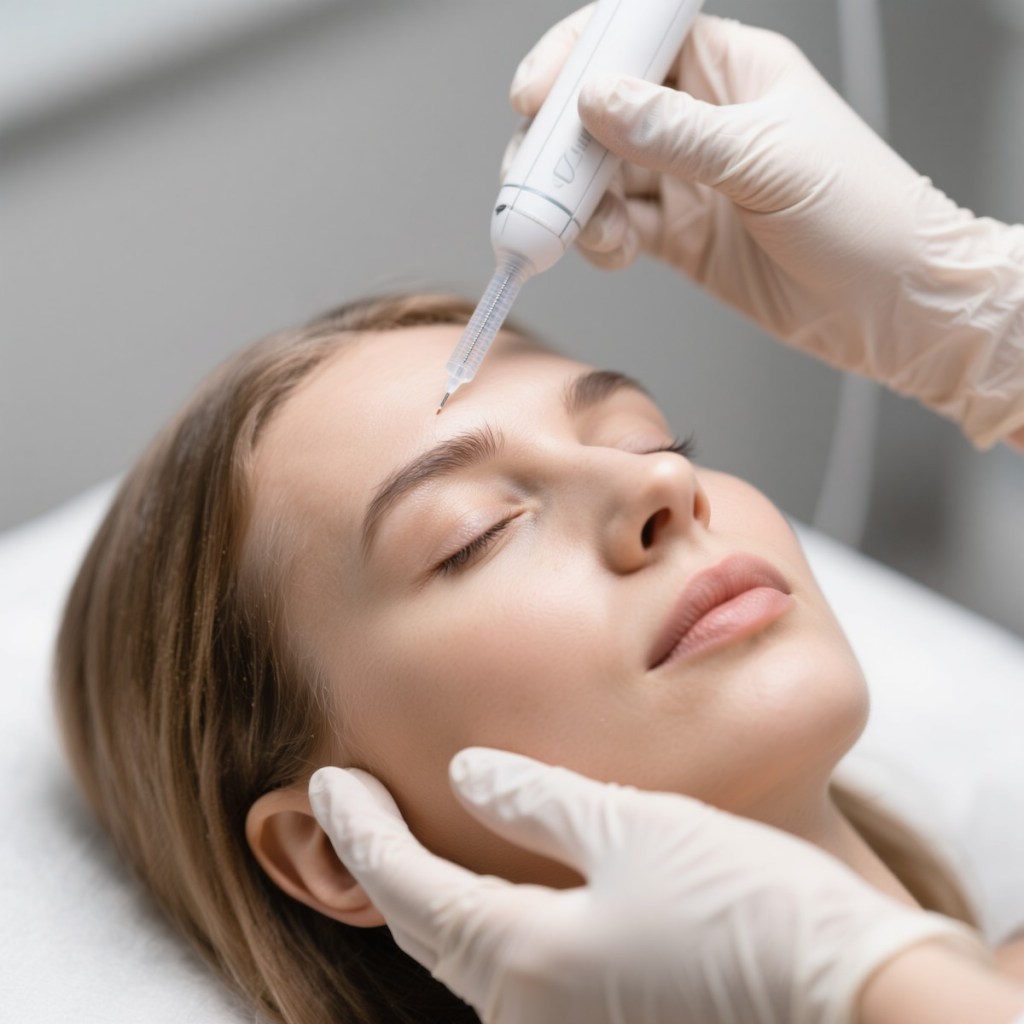
The injection process for both Botox and Dysport is quick and relatively painless. A small needle is used to inject the product into the targeted muscles. You may feel a slight pinch, but there is minimal discomfort. The entire procedure typically takes 10-15 minutes, and you can return to your daily activities immediately after.
Post-Treatment Care
After your treatment, you’ll be advised to avoid rubbing the treated areas for the first 24 hours. This ensures that the product stays in place and takes full effect. You should also avoid intense physical activity for a day or two to allow the Botox or Dysport to settle. In general, Botox and Dysport require very little downtime.
Side Effects and Risks of Botox vs. Dysport
While both treatments are generally safe, it’s important to be aware of the potential side effects and risks associated with each.
Common Side Effects
Both Botox and Dysport have minimal risks, but some common side effects include bruising, redness, or swelling at the injection site. These side effects are usually temporary and resolve within a few hours. Some patients may also experience mild headaches or nausea.
Serious Complications
Though rare, more serious complications can include drooping eyelids, asymmetry, or muscle weakness. Choosing a qualified injector can reduce the risk of these adverse effects.
Cost Comparison: Botox vs. Dysport in Newport Beach
Although the price per unit differs, it’s essential to consider the overall value and effectiveness of each treatment.
Price Per Unit
While Dysport tends to be less expensive per unit, more units are often required to achieve the same effect as Botox. Depending on the treatment area, the cost difference between Botox and Dysport can vary, but it’s important to consider not only the price per unit but also the number of units required for optimal results.
Value for Money
Ultimately, the value of Botox or Dysport isn’t determined by price alone. The skill of your injector plays a significant role in the quality of your results. At Akari Medspa, you’ll receive expert care from skilled injectors, ensuring that your investment in your appearance is worthwhile.
Why Choose Akari Medspa for Botox or Dysport in Newport Beach
At Akari Medspa, your treatment plan is personalized to your unique facial features and aesthetic goals. Whether you opt for Botox or Dysport, our expert injectors will design a plan that ensures natural-looking results.
Experience and Expertise
Isabel Koo, a Master Certified Injector, brings years of experience and precision to each treatment. Her approach focuses on understanding your needs and crafting a customized plan that enhances your natural beauty.
State-of-the-Art Facilities
Akari Medspa is committed to providing the highest standards of care, using the latest technology and the safest techniques. You’ll feel comfortable and confident in our state-of-the-art facility.
Botox vs Dysport FAQs for Newport Beach Patients
1. What’s the main difference between Botox and Dysport?
Botox is typically used for more precise wrinkle relaxation, while Dysport may spread more evenly across broader areas. Both are neuromodulators that relax facial muscles, but the best choice depends on your treatment area, facial anatomy, and desired result.
2. How long do Botox or Dysport results last in Newport Beach?
Botox and Dysport results usually last about 3 to 4 months. Some patients may metabolize one product faster than the other, so your Akari Medspa injector will recommend a maintenance schedule based on your response and goals.
3. Which injectable treatment is better for forehead lines?
Dysport may be a strong option for forehead lines because it can diffuse more broadly across larger treatment areas. Botox may be preferred when more targeted precision is needed. During your Newport Beach consultation, your injector can recommend the better fit for your forehead movement and anatomy.
4. Is there more pain with one injectable treatment?
Both Botox and Dysport involve minimal discomfort for most patients. You may feel a small pinch during injection, but treatment is quick and typically requires little to no downtime.
5. Can I switch between Botox and Dysport?
Yes, many patients can switch between Botox and Dysport. Because dosing and diffusion are different, it is best to switch under the guidance of an experienced injector who can adjust your treatment plan safely.
Book a Botox or Dysport Consultation in Newport Beach
Both Botox and Dysport are excellent options for reducing wrinkles and achieving a smoother, more youthful appearance.
Whether you choose Botox for its precision or Dysport for its spreadability and faster results, both treatments can help you look your best.
To make the right choice, schedule a consultation with an expert injector at Akari Medspa.

Isabel “Izzy” Koo, MSN, NP-BC, leads Akari Medspa with a focus on integrity, artistry, and precision. As a board-certified nurse practitioner with advanced training in aesthetic medicine, she focuses on subtle enhancements that bring out each client’s natural features. Her careful approach and strong sense of balance help turn every treatment into a thoughtful, personalized experience built on trust.